What Is Word Processing? Meaning, Features, and Examples
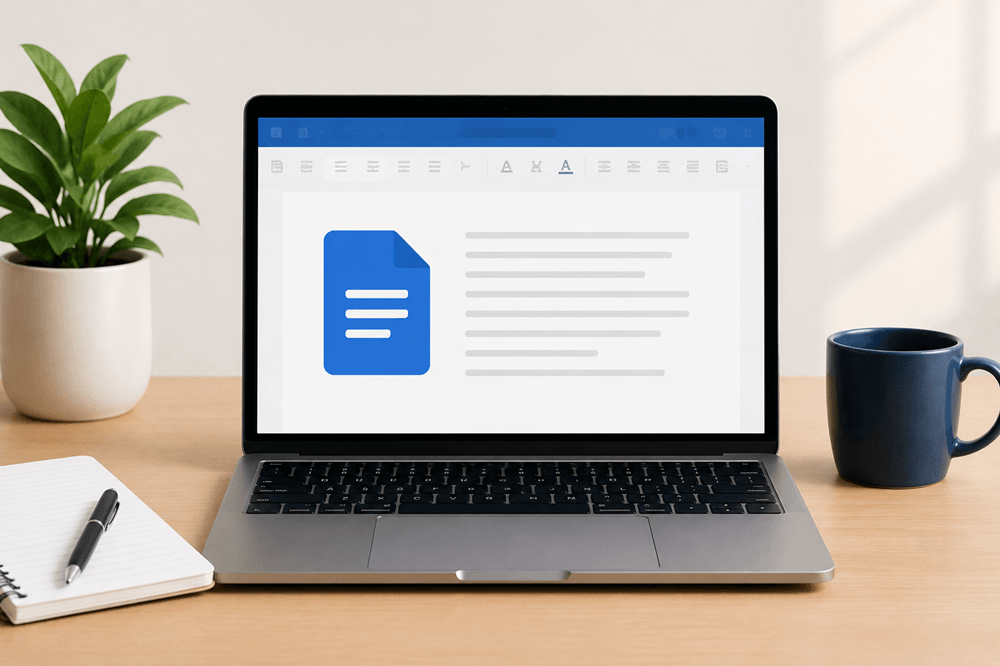
Word processing is the use of computer software to create, edit, format, save, and print written documents.
People use word-processing programs to produce:
- letters
- essays
- reports
- résumés
- school assignments
- business documents
- newsletters
- meeting notes
Unlike writing by hand or using a typewriter, word processing allows you to change a document without rewriting the entire page.
Quick Answer
Word processing means creating and managing text with a computer, tablet, or similar electronic device.
A word processor lets you:
- type text
- correct mistakes
- move or delete sentences
- change fonts and spacing
- insert pictures and tables
- check spelling
- save documents
- print or share your work
Microsoft Word, Google Docs, Apple Pages, and LibreOffice Writer are common examples of word-processing software.
What Does Word Processing Mean?
The phrase word processing combines two ideas:
- word refers to written language.
- processing refers to creating, changing, organizing, or managing information.
Therefore, word processing is the electronic handling of written text.
A person may begin with a blank page, type a document, make corrections, adjust its appearance, and save the final version as a file.
For example, a student can type an essay, rearrange paragraphs, correct spelling mistakes, add a title, and submit the document online. All these actions are part of word processing.
What Is a Word Processor?
A word processor is the program or application used for word processing.
It provides a digital page on which users can type and edit text.
Common word processors include:
- Microsoft Word
- Google Docs
- Apple Pages
- LibreOffice Writer
- OpenOffice Writer
Some programs are installed on a computer. Others work through a web browser and save documents online.
A word processor may also be built into a phone or tablet application.
What Can You Do With Word-Processing Software?
Word-processing software provides many tools for preparing documents.
Type and edit text
You can add new words, correct mistakes, remove unwanted sentences, and rewrite sections.
Example:
Original:
- Their going to the meeting tomorrow.
Corrected:
- They’re going to the meeting tomorrow.
The correction can be made instantly without recreating the whole document.
Format text
Formatting changes how the text looks.
You can adjust:
- font
- font size
- bold text
- italics
- underlining
- text color
- alignment
- line spacing
- paragraph spacing
For example, a report may use a large bold title, smaller section headings, and standard text for the body.
Copy and move information
Word processors allow users to:
- copy
- cut
- paste
- drag
- rearrange
This makes it easy to move a paragraph from one part of a document to another.
Check spelling and grammar
Many programs mark possible spelling or grammar problems.
For example:
- seperate may be marked and corrected to separate.
- They is going may be flagged and changed to They are going.
These tools are helpful, but they are not always correct. Writers should still review their work carefully.
Insert other elements
A document can include more than plain text.
You may add:
- photographs
- charts
- shapes
- page numbers
- hyperlinks
- tables
- symbols
- headers
- footnotes
These features are useful for reports, school projects, manuals, and business documents.
Examples of Word Processing
Word processing is used in many everyday situations.
School
Students use it to write:
- essays
- research papers
- book reports
- class notes
- applications
Teachers may use it to prepare lessons, worksheets, and tests.
Work
Employees use word processors for:
- business letters
- proposals
- reports
- policies
- meeting agendas
- instructions
Personal use
People may use word processing to create:
- personal letters
- invitations
- family histories
- journals
- shopping lists
- recipes
Job applications
A word processor can be used to prepare:
- résumés
- cover letters
- reference lists
- personal statements
The ability to edit formatting helps applicants create clean and professional documents.
Word Processing vs. Typing
Typing is one part of word processing, but the two terms do not mean exactly the same thing.
Typing means entering letters, numbers, and symbols using a keyboard.
Word processing includes typing as well as:
- editing
- formatting
- saving
- reviewing
- printing
- sharing
A person can type a sentence into a search box, but that is not necessarily word processing.
Creating and managing a complete document in a word-processing program is word processing.
Word Processing vs. a Typewriter
Before word processors became common, many documents were created with typewriters.
A typewriter places characters directly onto paper. Correcting a mistake can be difficult because the text cannot easily be moved or deleted.
A word processor offers several advantages:
| Word Processor | Typewriter |
|---|---|
| Text can be edited easily | Corrections are difficult |
| Documents can be saved | Paper is the main copy |
| Paragraphs can be moved | Text remains fixed |
| Many fonts are available | Font choices are limited |
| Images and tables can be added | Mostly limited to typed text |
| Copies can be shared digitally | Copies usually require printing |
Word processing makes revision much faster.
Word Processing vs. Text Editing
A text editor is usually designed for plain text.
Examples of plain-text content include:
- simple notes
- computer code
- configuration files
A word processor is designed for formatted documents.
It can include:
- different fonts
- headings
- margins
- images
- tables
- page layouts
A text editor may be better for programming, while a word processor is usually better for letters, reports, and essays.
Word Processing vs. Desktop Publishing
Word processing and desktop publishing can overlap, but they have different main purposes.
Word processing focuses primarily on writing and editing text.
Desktop publishing focuses more heavily on detailed page design.
Desktop-publishing software is often used for:
- magazines
- brochures
- posters
- professional newsletters
- books with complex layouts
A word processor can create basic versions of these documents, but desktop-publishing programs provide more control over visual placement.
Common Word-Processing Features
Most word processors include tools such as:
Find and replace
This feature searches for a word or phrase and replaces it throughout the document.
Example:
You can replace every use of company with organization.
Undo and redo
Undo reverses the previous action.
Redo restores an action that was undone.
These features make editing safer and faster.
Word count
The program can count:
- words
- characters
- paragraphs
- pages
This is helpful when an assignment or article has a required length.
Templates
Templates provide a prepared design for a particular document.
Examples include:
- résumé templates
- letter templates
- report templates
- calendar templates
Comments and suggestions
Multiple people may review a document and leave comments or suggested edits.
This is useful for group projects and professional editing.
Automatic saving
Some word processors save changes automatically, reducing the risk of losing work.
What Is a Word-Processing Document?
A word-processing document is a file created with a word processor.
It may be saved in formats such as:
- DOCX
- ODT
- RTF
The format affects how the document can be opened and edited.
For example, a DOCX file can usually be edited in a compatible word processor. A PDF is often used when the writer wants the layout to remain fixed.
Why Is Word Processing Important?
Word processing improves the speed and quality of written communication.
It allows writers to:
- revise without starting over
- organize ideas clearly
- create readable layouts
- correct errors
- work with other people
- store many documents
- share files quickly
These skills are useful in education, employment, business, and personal communication.
Basic Word-Processing Skills
A beginner should learn how to:
- Open a new document.
- Type and delete text.
- Select words and paragraphs.
- Copy and paste.
- Change font size and style.
- Create headings.
- Adjust spacing and alignment.
- Save the document.
- Use spelling tools.
- Print, download, or share the file.
Learning keyboard shortcuts can also make common tasks faster.
Examples:
- Ctrl + C: copy
- Ctrl + V: paste
- Ctrl + Z: undo
- Ctrl + S: save
On some computers, the Command key is used instead of Ctrl.
Common Word-Processing Mistakes
Using spaces to align text
Writers sometimes press the space bar repeatedly to move text across a page.
It is better to use:
- tabs
- alignment tools
- tables
- paragraph settings
Using too many fonts
Several decorative fonts can make a document difficult to read.
Most professional documents need only one or two clear fonts.
Trusting spell-check completely
Spell-check may not notice correctly spelled words used incorrectly.
Example:
- Their going home.
The word their is spelled correctly, but they’re is needed.
Forgetting to save
Save regularly, especially when automatic saving is unavailable.
Overformatting
Too many colors, large headings, and unnecessary bold text can make a document look cluttered.
Simple formatting is usually easier to read.
Is Word Processing One Word?
No. Word processing is written as two words.
Correct:
- word processing
- word-processing software
- word-processing skills
Use a hyphen when the phrase acts as a compound adjective before a noun:
- a word-processing program
- a word-processing course
Do not normally write:
- wordprocessing
Final Answer
Word processing is the use of software to create, edit, format, save, print, and share written documents.
A word processor allows users to:
- type and revise text
- correct errors
- change the document’s appearance
- insert tables and images
- save and share files
Common examples include Microsoft Word, Google Docs, Apple Pages, and LibreOffice Writer.
Remember:
Typing enters the words, while word processing helps you create and manage the entire document.