Check or Cheque: Correct Meaning, Spelling Difference, and Usage Examples Explained Clearly
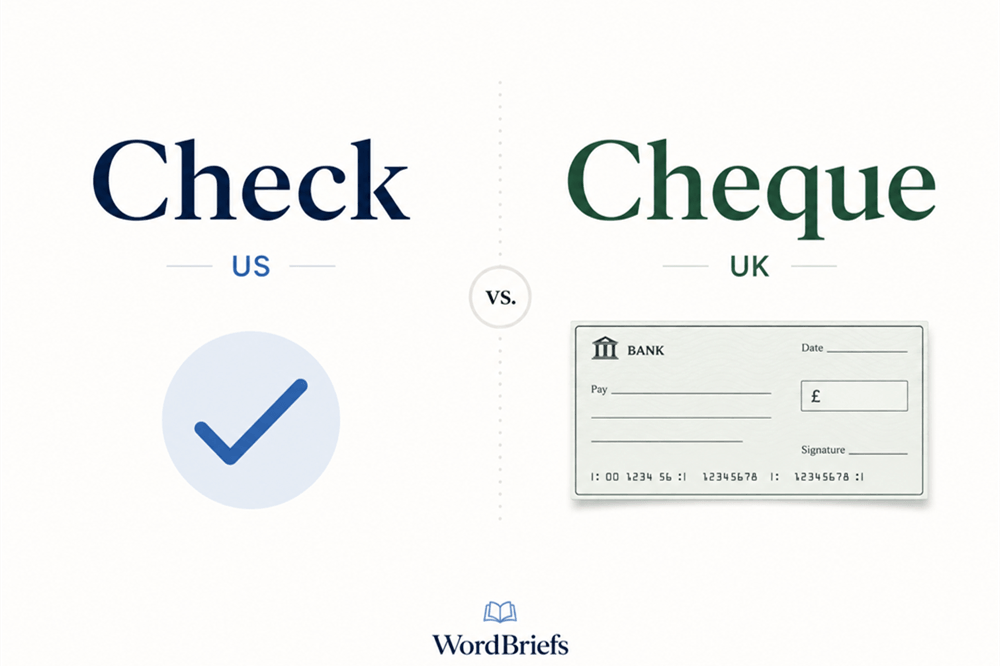
Check and cheque are both correct words, but they are not always used the same way. In American English, check is used for almost every meaning, including a bank payment. In British English, cheque usually means a written bank payment, while check is used for meanings like inspect, verify, stop, or mark.
Quick Answer
Use check in American English for both the banking word and the general word meaning to inspect, verify, mark, or examine.
- I need to check my email.
- She wrote a check for the rent.
- The waiter brought the check.
Use cheque in British English when you mean a written order to pay money from a bank account.
- He paid by cheque.
- The company sent a cheque in the post.
- Please make the cheque payable to the school.
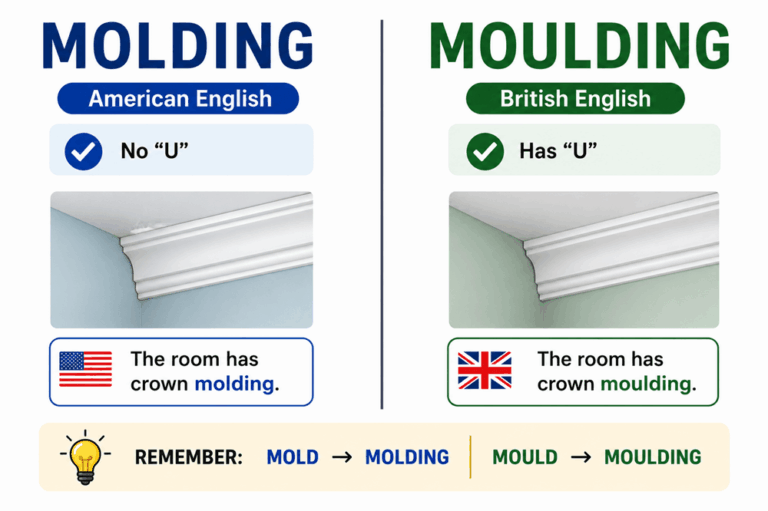
The simple rule is: check is the usual American spelling, while cheque is the British spelling for a bank payment.
Check or Cheque: What Is the Difference?
The difference between check and cheque depends on both meaning and regional English.
Check is the more general word. It can mean to inspect something, confirm something, stop something, mark something, or control something. It can also be a noun meaning an inspection, a mark, a restaurant bill, or a written bank payment in American English.
Cheque is much narrower. It is mainly used in British English and other varieties of English that follow British spelling. It means a written document that tells a bank to pay money from one person’s account to another person or organization.
| Word | Where It Is Common | Main Use | Example |
|---|---|---|---|
| Check | American English | General word and bank payment | She wrote a check. |
| Cheque | British English | Bank payment only | She wrote a cheque. |
If you are writing for American readers, check is almost always the right choice. If you are writing for British readers and you mean the banking document, use cheque.
What Does Check Mean?
Check has several meanings in English. It can be a verb or a noun, and it is used in many everyday situations.
As a verb, check often means to look at something carefully, confirm information, or make sure something is correct.
- Please check your spelling before submitting the form.
- I need to check the time of the meeting.
- She checked the door to make sure it was locked.
- Can you check whether the file is attached?
As a noun, check can mean an inspection, a mark, a restaurant bill, or a bank payment in American English.
- The teacher put a check next to the correct answer.
- The mechanic did a quick safety check.
- Can we have the check, please?
- He mailed a check to the landlord.
Because check has many meanings, context matters. A check in a classroom may be a mark. A check in a restaurant may be a bill. A check in American banking may be a written payment.
What Does Cheque Mean?
Cheque means a written order that tells a bank to pay money from one account to another person or organization. This spelling is mainly used in British English.
Examples:
- She paid the invoice by cheque.
- The charity received a large cheque.
- Please write your account number on the back of the cheque.
- The refund will be sent by cheque.
- He deposited the cheque at the bank.
Cheque is usually only used for the financial meaning. You would not normally write cheque your email, cheque the door, or cheque the answer. In those cases, the correct word is check.
Check in American English
In American English, check is used for both general meanings and the banking meaning. American writers usually do not use cheque unless they are intentionally using British spelling or referring to a specific British context.
American English examples:
- I need to check my calendar.
- The doctor did a quick health check.
- She wrote a check for $200.
- The waiter brought the check after dessert.
- Please check the box if you agree.
In American English, the same spelling works across all of these meanings. That makes check the safer choice for U.S. readers.
Cheque in British English
In British English, cheque is used for the bank payment, but check is still used for many other meanings.
British English examples:
- He paid by cheque.
- The school received a donation cheque.
- I need to check my schedule.
- Please check your answers.
- The inspector carried out a safety check.
Notice the difference: British English uses cheque for the banking document, but it still uses check when the meaning is inspect, verify, mark, or examine.
Check or Cheque for a Restaurant Bill?
In American English, the bill at a restaurant is often called the check.
- Could we have the check, please?
- The server brought the check to the table.
In British English, people usually say bill instead.
- Could we have the bill, please?
- The waiter brought the bill to the table.
Do not use cheque to mean a restaurant bill. Cheque refers to the written bank payment, not the amount owed after a meal.
Check or Cheque as a Verb?
Use check as the verb. Do not use cheque as a verb in normal English.
Correct:
- Please check your email.
- Can you check the spelling?
- She checked the address twice.
Incorrect:
- Please cheque your email.
- Can you cheque the spelling?
- She chequed the address twice.
If the sentence is about looking, verifying, inspecting, or confirming, the word you need is check.
Examples of Check in Sentences
Here are natural examples of check used correctly:
- I will check the report before sending it.
- He forgot to check the weather.
- The nurse checked his blood pressure.
- Put a check beside the correct answer.
- The hotel asked for a background check.
- She wrote a check for the deposit.
- We asked the waiter for the check.
- The teacher did a quick homework check.
These examples show how flexible check is. It can appear in school, work, banking, restaurants, health, travel, and everyday conversation.
Examples of Cheque in Sentences
Here are natural examples of cheque used correctly in British English:
- She wrote a cheque for the full amount.
- The landlord no longer accepts payment by cheque.
- The bank refused the cheque.
- He deposited the cheque on Monday morning.
- The company sent a refund cheque.
- Please sign the cheque before mailing it.
- The charity was given a large ceremonial cheque.
In all of these examples, cheque refers to the banking document or written payment.
Check and Cheque Side by Side
Seeing both words together can make the difference easier to remember.
| Use | American English | British English |
|---|---|---|
| Bank payment | check | cheque |
| Inspect or verify | check | check |
| Restaurant bill | check | bill |
| Mark beside an answer | check | check or tick, depending on context |
This table shows why cheque is more limited. It is mainly the British spelling for the written bank payment.
Common Mistakes to Avoid
One common mistake is using cheque for every meaning in British English. This is not correct. Even in British English, you still use check when you mean inspect or verify.
Incorrect:
- Please cheque the document for errors.
Correct:
- Please check the document for errors.
Another mistake is using cheque in American English when writing about banking.
Unusual in American English:
- She wrote a cheque for the rent.
Better in American English:
- She wrote a check for the rent.
You should also avoid using check and cheque inconsistently in the same article unless you are comparing American and British spelling directly.
How to Remember Check or Cheque
Here is a simple way to remember the difference:
Check is the everyday word.
Cheque is the British banking word.
You can also remember it this way:
- Check = American spelling for the bank payment and general word
- Cheque = British spelling for the bank payment only
If you are unsure, ask yourself what you mean. If you mean inspect, verify, mark, or examine, use check. If you mean a written bank payment and you are using British English, use cheque.
Final Answer
Check and cheque are both correct, but they are used differently. In American English, use check for a written bank payment and for general meanings like inspect, verify, or mark. In British English, use cheque for a written bank payment, but still use check when you mean inspect, verify, or examine.