Spelt or Spelled: Correct Past Tense, Regional Usage, and Examples Explained Clearly
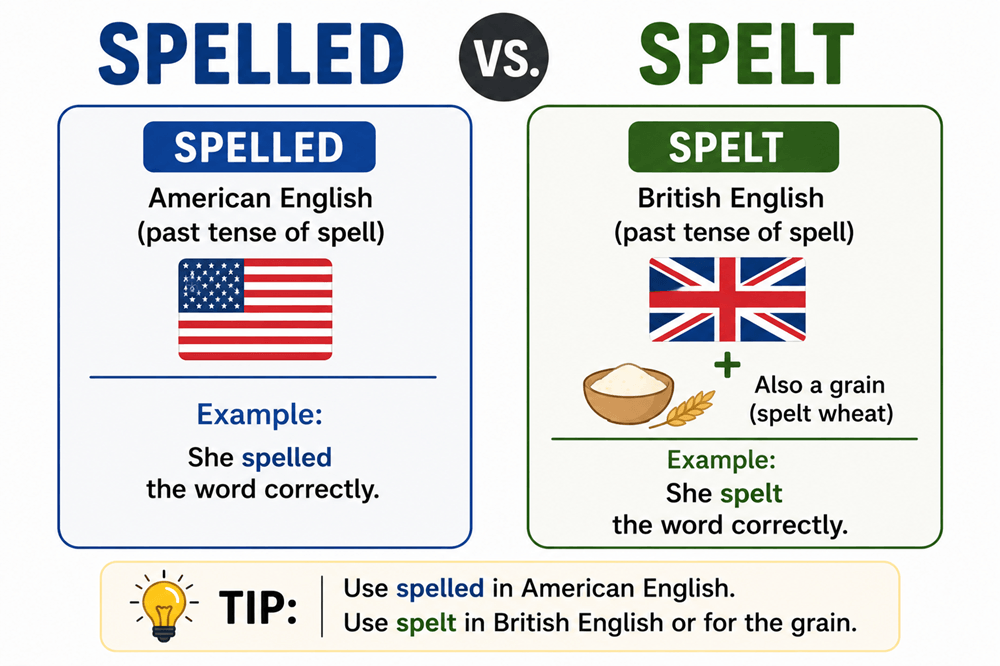
Spelled and spelt can both be correct as the past tense of spell, but the best choice depends on your audience. Spelled is the standard choice in American English. Spelt is common in British English. However, spelt is also the name of an ancient grain, so context matters.
Quick Answer
Use spelled in American English.
- She spelled the word correctly.
- His name is spelled with two n’s.
- I spelled the address wrong.
Use spelt in British English if you prefer that style.
- She spelt the word correctly.
- His name is spelt with two n’s.
- I spelt the address wrong.
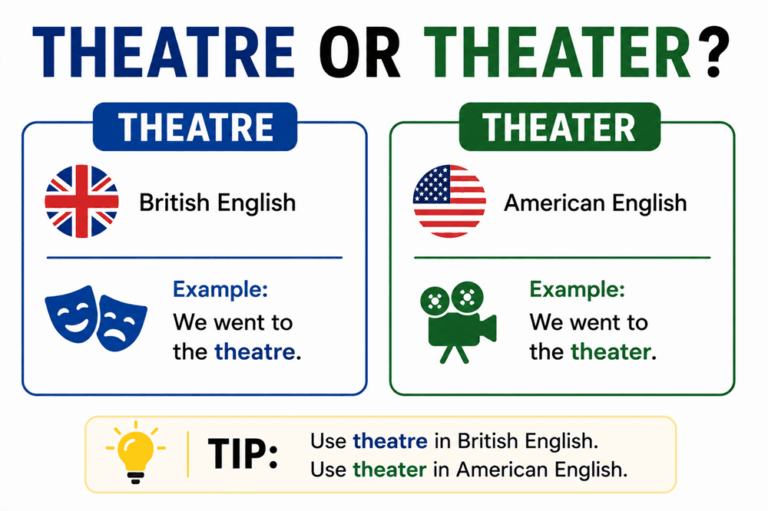
The simple rule is: spelled is standard in American English, while spelt is common in British English. If you want the safest spelling for a wide audience, use spelled.
Spelt or Spelled: What Is the Difference?
The difference between spelt and spelled is mainly regional. Both words can work as the past tense and past participle of the verb spell, which means to form a word by arranging letters in the correct order.
Spelled is the regular past tense form. It follows the usual English pattern of adding -ed to a verb:
- walk → walked
- talk → talked
- spell → spelled
Spelt is an irregular past tense form. It is more common in British English and other varieties that often follow British spelling habits.
| Word | Main Use | Example |
|---|---|---|
| Spelled | American English; also widely understood elsewhere | She spelled my name correctly. |
| Spelt | British English past tense; also a grain | She spelt my name correctly. |
If you are writing for U.S. readers, spelled will look most natural. If you are writing for U.K. readers, spelt may look perfectly normal. Both forms are understandable, but they carry different regional flavor.
What Does Spelled Mean?
Spelled is the past tense and past participle of spell. It means formed a word with letters, gave the letters of a word, or wrote a word in a particular way.
Examples:
- She spelled the word correctly.
- I spelled his last name wrong.
- The sign was spelled incorrectly.
- Can you check whether I spelled this right?
- The child spelled every word on the test.
In American English, spelled is the normal form for both simple past tense and past participle.
- Simple past: She spelled it correctly.
- Past participle: She has spelled it correctly.
This form is clear, standard, and safe in most kinds of writing.
What Does Spelt Mean?
Spelt can also be the past tense and past participle of spell, especially in British English.
Examples:
- She spelt the word correctly.
- I spelt his name wrong.
- The word was spelt differently in the old book.
- Have I spelt that right?
These sentences sound natural in British English. In American English, however, spelt may sound unusual or old-fashioned when used as a verb form.
Spelt also has another meaning. It is a noun for a type of ancient wheat. This meaning is common in food, baking, farming, and nutrition contexts.
- The bread is made with spelt flour.
- She bought a bag of organic spelt.
- Spelt has a nutty flavor.
Because spelt can mean a grain, American readers may first think of food rather than spelling unless the sentence clearly shows the verb meaning.
Is Spelled Correct?
Yes, spelled is correct. It is the standard past tense of spell in American English and is widely accepted in general English.
Use spelled in sentences like these:
- She spelled the difficult word without help.
- The company name is spelled in all capital letters.
- I accidentally spelled the street name wrong.
- The word can be spelled two different ways.
If you are unsure which form to use, spelled is usually the safer choice. It is especially useful for international websites, school content, business writing, grammar articles, and anything aimed at American readers.
Is Spelt Correct?
Yes, spelt can be correct. It is commonly used in British English as the past tense and past participle of spell.
Examples:
- She spelt the word correctly.
- The name was spelt differently on the form.
- He had spelt the answer wrong.
However, spelt may look strange to American readers when used as a verb. In American English, it is more familiar as the name of a grain.
So spelt is not wrong, but it is not always the best choice. Use it when your writing follows British English, or when you are referring to the grain.
Spelled in American English
In American English, spelled is the standard form. American readers expect spelled in everyday writing, school assignments, business documents, emails, articles, and grammar guides.
American English examples:
- Her name is spelled with a K.
- I spelled the word wrong on the form.
- The teacher asked how the word was spelled.
- He has always spelled it that way.
If your article uses other American spellings such as color, center, traveling, and canceled, then spelled is the best match.
Spelt in British English
In British English, spelt is common as the past tense of spell. Many British readers will find it natural, especially in everyday writing.
British English examples:
- Her name is spelt with a K.
- I spelt the word wrong on the form.
- The teacher asked how the word was spelt.
- He has always spelt it that way.
If your article uses British spellings such as colour, centre, travelling, and cancelled, then spelt may fit your style better.
Spelt as a Grain
Spelt is also a noun. It names a type of wheat often used in flour, bread, pasta, crackers, and health-food products.
Examples:
- The bakery uses spelt flour.
- She made pancakes with spelt.
- The bread has a mix of wheat and spelt.
- Spelt is popular in some whole-grain recipes.
This meaning is separate from the verb spell. When someone says spelt flour, they are not talking about letters. They are talking about grain.
This is one reason spelled can be clearer for American readers. It avoids possible confusion with the food word.
Spelled and Spelt as Past Participles
Both forms can work as past participles, depending on the English style.
American English usually uses spelled after has, have, or had.
- She has spelled it correctly.
- They have spelled the name three different ways.
- I had spelled the word wrong before checking it.
British English may use spelt in the same structure.
- She has spelt it correctly.
- They have spelt the name three different ways.
- I had spelt the word wrong before checking it.
Both patterns can be grammatical. The best choice depends on whether your writing follows American or British usage.
Examples of Spelled in Sentences
Here are natural examples of spelled used correctly:
- She spelled every word correctly on the test.
- The student spelled the answer out loud.
- His name is spelled differently than it sounds.
- I spelled the city name wrong in the email.
- The label was spelled incorrectly.
- Have you spelled that word before?
- The word is spelled the same in both versions.
- She carefully spelled the address for the driver.
These examples are especially natural in American English.
Examples of Spelt in Sentences
Here are natural examples of spelt used correctly as a British English verb form:
- She spelt every word correctly on the test.
- The student spelt the answer out loud.
- His name is spelt differently from how it sounds.
- I spelt the town name wrong in the email.
- The label was spelt incorrectly.
- Have you spelt that word before?
Here are examples of spelt used as a grain:
- The muffins were made with spelt flour.
- She prefers spelt bread.
- The recipe calls for whole-grain spelt.
These two meanings are different, so context is important.
Common Phrases With Spelled
Use spelled in phrases like these, especially in American English:
- spelled correctly
- spelled wrong
- spelled differently
- spelled out
- how it is spelled
- the name is spelled
Examples:
- The word is spelled correctly.
- Her name is spelled differently on the certificate.
- He spelled out the address slowly.
Common Phrases With Spelt
Use spelt in British-style verb phrases or food-related phrases, depending on meaning.
British verb use:
- spelt correctly
- spelt wrong
- spelt differently
- how it is spelt
Food use:
- spelt flour
- spelt bread
- spelt pasta
- whole-grain spelt
Examples:
- The word is spelt correctly.
- The loaf is made with spelt flour.
In the first example, spelt is a verb form. In the second, it is a grain.
Common Mistakes to Avoid
The biggest mistake is assuming one form is always wrong. Spelled and spelt can both be correct as verb forms, but they do not feel equally natural everywhere.
Best in American English:
- She spelled the word correctly.
Common in British English:
- She spelt the word correctly.
Another mistake is forgetting that spelt can also be a grain.
Correct:
- The bread contains spelt flour.
Incorrect:
- The bread contains spelled flour.
If you are talking about letters and spelling, choose the form that matches your regional style. If you are talking about grain, the word is always spelt.
How to Remember Spelt or Spelled
Here is an easy way to remember the difference:
Spelled is the safest spelling for American English and general audiences.
Spelt is common in British English and also names a grain.
- Spelled = American English past tense of spell
- Spelt = British English past tense of spell
- Spelt = ancient grain
You can also remember this sentence:
Americans usually spelled it spelled; British writers may have spelt it spelt.
Final Answer
Spelled and spelt can both be correct as the past tense and past participle of spell. Use spelled in American English. Use spelt in British English if that matches your spelling style. Remember that spelt is also the name of an ancient grain, as in spelt flour. For a wide or American audience, spelled is usually the clearest choice.