Ambiance or Ambience: Correct Spelling, Meaning, Difference, and Usage Examples Explained
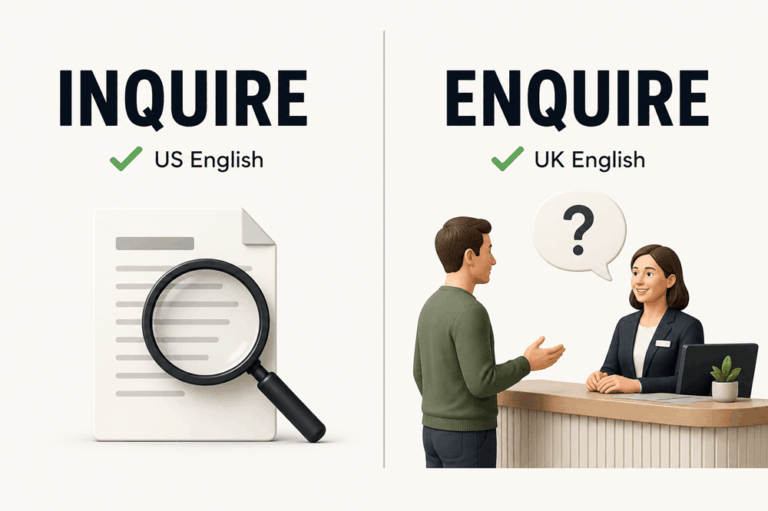
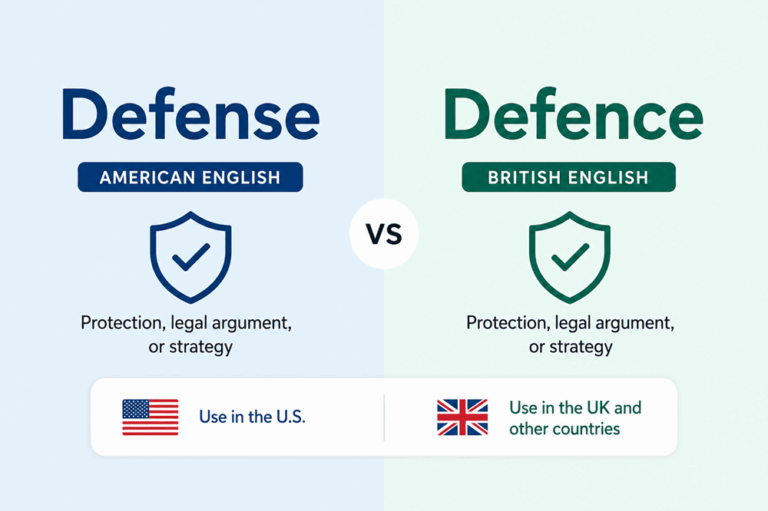
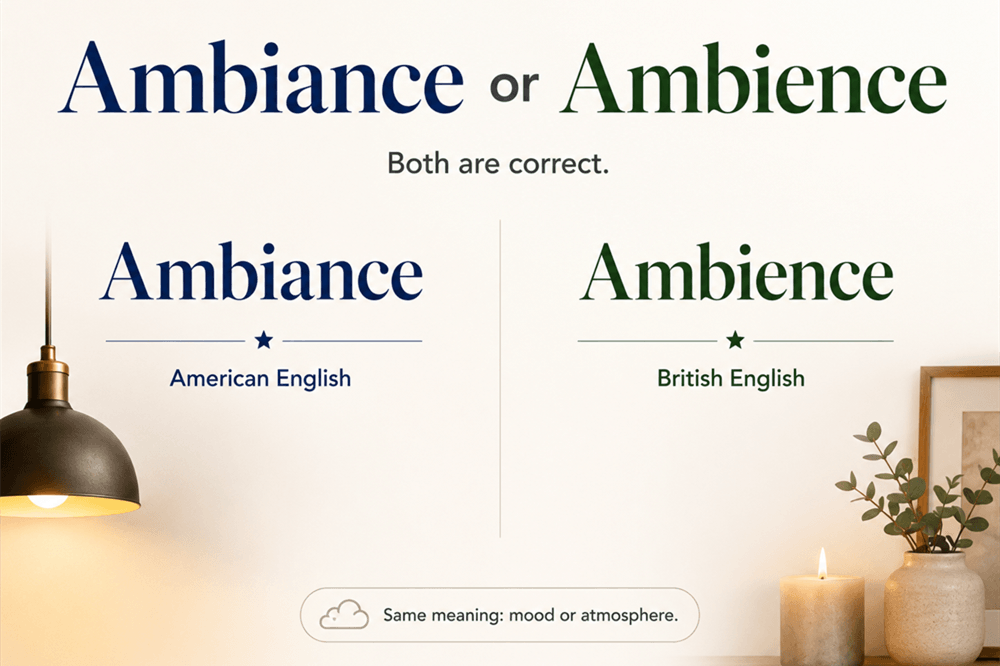
Ambiance and ambience are both correct spellings. They mean the mood, atmosphere, or feeling of a place, event, room, restaurant, or setting. The main difference is preference: ambiance is common in American English, while ambience is often more common in British English. In most everyday writing, either spelling can work as long as you use one consistently.
Quick Answer
Ambiance and ambience both mean the same thing: the feeling, mood, or atmosphere of a place.
- The restaurant had a romantic ambiance.
- The restaurant had a romantic ambience.
Both sentences are correct. The spelling choice depends mostly on your audience and writing style.
- Ambiance is often preferred in American English.
- Ambience is often preferred in British English.
Ambiance or Ambience: What Is the Difference?
The difference between ambiance and ambience is mainly spelling. Both words refer to the overall atmosphere or character of a place. When you talk about lighting, music, decor, scent, space, sound, comfort, or mood, you may be talking about the ambiance or ambience.
For example, a small cafe with soft lighting, quiet music, and warm colors may have a cozy ambiance. A hotel lobby with marble floors, flowers, and calm background music may have an elegant ambience. The word points to how a place feels, not just how it looks.
| Word | Correct? | Common Use |
|---|---|---|
| Ambiance | Yes | Common in American English |
| Ambience | Yes | Common in British English |
If you are writing for a U.S. audience, ambiance is usually the safer choice. If you are writing for a British or international audience that prefers British spelling, ambience may look more natural.
What Does Ambiance Mean?
Ambiance means the mood, atmosphere, or overall feeling of a place. It is often used when describing restaurants, cafes, hotels, homes, stores, parties, weddings, offices, spas, and other spaces where the feeling of the environment matters.
Examples:
- The cafe has a warm, relaxed ambiance.
- Soft lighting gave the room a peaceful ambiance.
- The music added to the romantic ambiance of the dinner.
- The hotel lobby had a luxurious ambiance.
- The candles created a calm ambiance in the room.
In these sentences, ambiance describes the feeling created by the surroundings. It is not only about decoration. Sound, light, smell, temperature, layout, and behavior can all shape the ambiance of a place.
What Does Ambience Mean?
Ambience has the same meaning as ambiance. It also refers to the atmosphere, mood, or feeling of a place or situation.
Examples:
- The pub had a friendly ambience.
- The garden lights created a magical ambience.
- The quiet music improved the ambience of the room.
- The old library had a peaceful ambience.
- The restaurant is known for its elegant ambience.
If your writing follows British English, ambience may be the spelling you want. It looks natural alongside other British spellings such as colour, favour, travelling, and grey.
Is Ambiance Correct?
Yes, ambiance is correct. It is especially common in American English and is widely used in lifestyle writing, restaurant reviews, travel articles, interior design, hospitality, event planning, and casual descriptions.
Examples:
- The rooftop bar has a lively ambiance.
- We loved the food, but the ambiance made the night special.
- The room’s ambiance felt calm and welcoming.
Use ambiance when you want a familiar American spelling. It is also a good default choice if your website mostly uses American English.
Is Ambience Correct?
Yes, ambience is also correct. It is often preferred in British English and appears naturally in writing about hotels, restaurants, music, design, mood, and atmosphere.
Examples:
- The dining room had a soft, intimate ambience.
- The theatre’s ambience made the performance feel special.
- The lighting changed the entire ambience of the space.
Use ambience if you are following British English style or if that spelling better matches the tone of your piece.
Ambiance and Ambience in Restaurant Reviews
Both spellings are common when describing restaurants because atmosphere is a major part of the dining experience. Food may be the main focus, but lighting, service, table spacing, music, decor, and noise level can strongly affect how the meal feels.
American English examples:
- The food was excellent, and the ambiance was cozy.
- The restaurant has a modern ambiance with warm lighting.
- We enjoyed the relaxed ambiance more than the loud music.
British English examples:
- The food was excellent, and the ambience was cosy.
- The restaurant has a modern ambience with warm lighting.
- We enjoyed the relaxed ambience more than the loud music.
The meaning stays the same. Only the spelling changes.
Ambiance and Ambience in Interior Design
In interior design, ambiance or ambience refers to the feeling a room creates. A room can feel calm, formal, bright, romantic, cold, dramatic, peaceful, playful, elegant, or crowded. All of those feelings can be part of the room’s ambiance or ambience.
Examples:
- Warm lamps can create a softer ambiance.
- Natural wood gives the room a peaceful ambience.
- Too much harsh lighting can ruin the ambiance.
- The curtains changed the ambience of the bedroom.
When writing for WordBriefs, you can explain that the word is about the total feeling of the environment, not one single object in the room.
Ambiance vs Atmosphere
Ambiance, ambience, and atmosphere are closely related. In many sentences, they can mean almost the same thing.
- The cafe had a warm ambiance.
- The cafe had a warm ambience.
- The cafe had a warm atmosphere.
Atmosphere is usually the most general word. It can describe a place, event, group, situation, or emotional setting. Ambiance and ambience often feel more connected to style, mood, design, hospitality, or sensory experience.
For example, you might use ambiance when describing a restaurant’s lighting and music. You might use atmosphere when describing the mood in a classroom, workplace, stadium, or tense meeting.
Examples of Ambiance in Sentences
Here are more examples of ambiance used correctly:
- The candles gave the room a romantic ambiance.
- The coffee shop’s ambiance made it a good place to read.
- The beachside restaurant had a relaxed ambiance.
- The dark walls created a dramatic ambiance.
- The music helped set the ambiance for the party.
- The spa had a peaceful ambiance from the moment we walked in.
- The restaurant looked beautiful, but the loud noise hurt the ambiance.
Examples of Ambience in Sentences
Here are more examples of ambience used correctly:
- The soft lights created a gentle ambience.
- The old bookstore had a quiet, thoughtful ambience.
- The hotel is popular because of its elegant ambience.
- The garden’s ambience changed after sunset.
- The room had a welcoming ambience.
- The music gave the event a festive ambience.
- The restaurant’s ambience was calm, stylish, and intimate.
Common Mistakes to Avoid
The main mistake is assuming that one spelling is always wrong. Ambiance and ambience are both correct, so the better choice depends on your spelling style and audience.
Another mistake is switching between the two spellings in the same article or review.
Inconsistent:
- The restaurant had a cozy ambiance, but the loud music hurt the ambience.
Better in American English:
- The restaurant had a cozy ambiance, but the loud music hurt the ambiance.
Better in British English:
- The restaurant had a cosy ambience, but the loud music hurt the ambience.
You should also avoid confusing these words with ambient. Ambient is an adjective that means surrounding or present in the background, as in ambient light or ambient music. Ambiance and ambience are nouns.
How to Remember Ambiance or Ambience
Here is an easy way to remember the difference:
Ambiance with an a is common in American English.
Ambience with an e is common in English outside the U.S., especially British English.
You can also remember it this way:
- Ambiance = American preference
- Ambience = British preference
If you are unsure, choose the spelling that matches the rest of your writing. If you write color, gray, and toward, use ambiance. If you write colour, grey, and towards, use ambience.
Final Answer
Ambiance and ambience are both correct spellings. They both mean the mood, atmosphere, or feeling of a place, event, room, or setting. Use ambiance in American English and ambience in British English. The meaning is the same, so the most important rule is to choose one spelling and use it consistently.