Donut or Doughnut: Correct Spelling, Meaning, Usage, and Examples for Writers Today
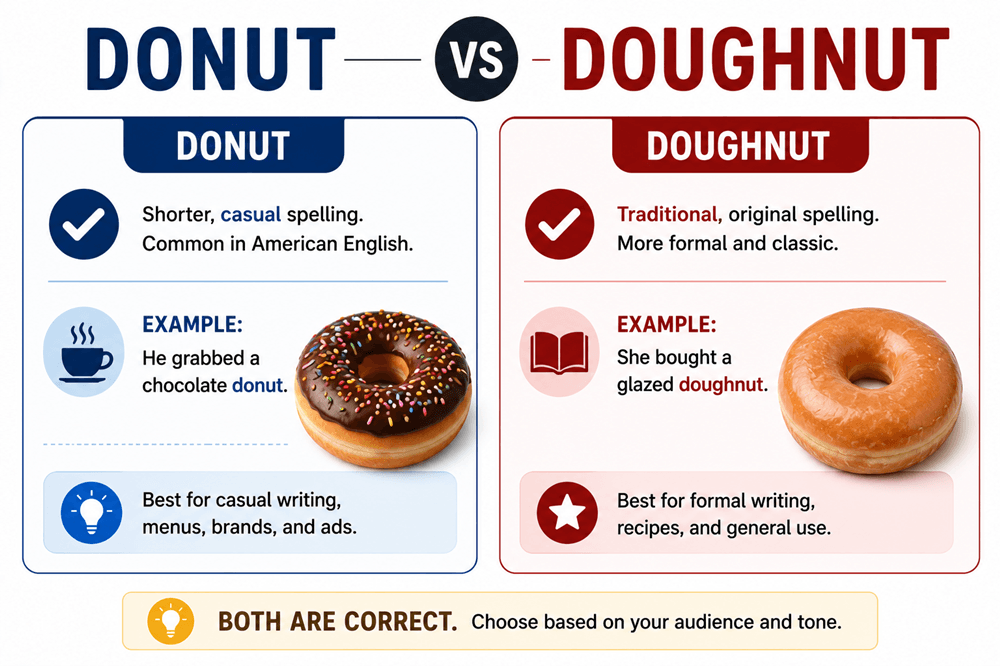
Donut and doughnut are both correct spellings. Doughnut is the older and more traditional spelling, while donut is a shorter, more casual spelling that is very common in American English. If you want the safest spelling for formal writing, use doughnut. If you are writing casually, especially for a U.S. audience, donut is usually fine.
Quick Answer
Doughnut is the traditional spelling.
- She bought a chocolate doughnut.
- The bakery sells fresh doughnuts every morning.
Donut is a shorter, informal spelling.
- He grabbed a donut with his coffee.
- The shop sells glazed donuts.
The simple rule is: doughnut is more traditional, and donut is more casual.
Donut or Doughnut: What Is the Difference?
The difference between donut and doughnut is mostly spelling and tone. Both words refer to the same food: a sweet fried or baked pastry, often round, sometimes with a hole in the middle, and often covered with glaze, sugar, frosting, or filling.
Doughnut is the original-looking form because it contains the word dough. That makes sense because a doughnut is made from dough. This spelling is more formal, traditional, and widely accepted in edited writing.
Donut is a simplified spelling. It is shorter, easier to type, and very common in casual writing, advertising, shop names, menus, and American English. Many readers see donut so often that it feels completely normal.
| Word | Correct? | Best Use |
|---|---|---|
| Doughnut | Yes | Traditional, formal, edited, or general writing |
| Donut | Yes | Casual writing, branding, menus, and American English |
If you are not sure which one to use, choose doughnut. It is the safer choice in school, formal writing, professional writing, and general explanations. Use donut when you want a casual, modern, or brand-friendly tone.
What Does Doughnut Mean?
A doughnut is a sweet pastry made from dough. It is usually fried, though some versions are baked. A doughnut may be ring-shaped, filled, glazed, powdered, frosted, or plain.
Examples:
- She ordered a jelly-filled doughnut.
- The bakery makes fresh doughnuts before sunrise.
- He dipped his doughnut into his coffee.
- The box had twelve assorted doughnuts.
- A warm glazed doughnut can be hard to resist.
The spelling doughnut clearly shows the connection to dough. That is one reason many writers prefer it when they want a more complete or traditional spelling.
What Does Donut Mean?
Donut means the same thing as doughnut. It is simply a shorter spelling. It is especially common in American English and in casual settings.
Examples:
- He stopped for coffee and a donut.
- The office had a box of donuts in the break room.
- She chose a pink frosted donut.
- The kids wanted chocolate donuts.
- The sign outside the shop said fresh donuts.
Donut is common in store names, social media posts, casual messages, menus, and food advertising. It sounds modern and informal, while doughnut sounds slightly more traditional.
Is Donut Wrong?
No, donut is not wrong. It is a recognized spelling and is very common, especially in American English. Many people use it naturally in everyday writing.
However, donut can feel more casual than doughnut. That means it may not always be the best choice for formal writing, academic writing, or polished editorial content.
Use donut in casual contexts like these:
- I brought donuts for everyone.
- Let’s stop at the donut shop.
- This maple donut is amazing.
In everyday American English, these sentences look completely natural.
Is Doughnut More Correct?
Doughnut is not “more correct” in the sense that donut is wrong. But doughnut is more traditional and often safer in formal writing.
Use doughnut when you want a more standard or polished style:
- The bakery is known for handmade doughnuts.
- The article explored the history of the doughnut.
- Guests were served coffee and fresh doughnuts.
If your article is educational, formal, or intended for a broad international audience, doughnut may look better. If your article is casual, playful, or written in a modern food-blog tone, donut may fit just as well.
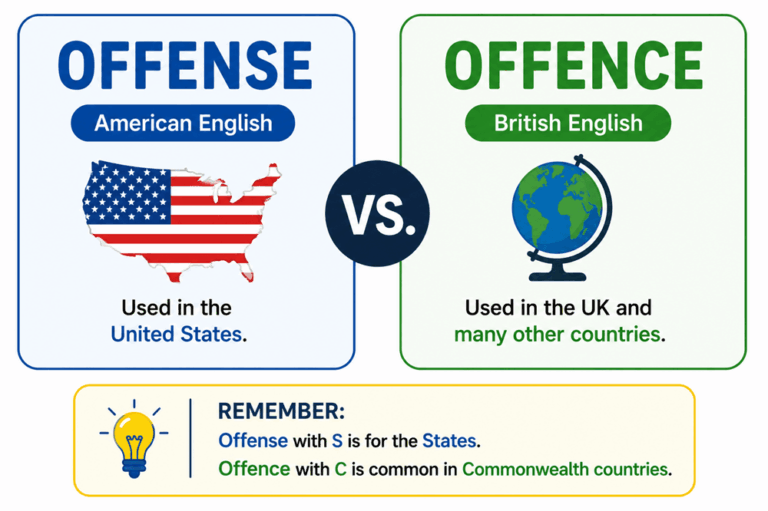
Donut and Doughnut in American English
In American English, both donut and doughnut are widely understood. The shorter spelling donut is very common in everyday life, especially in food marketing and shop names.
American English examples:
- She bought a dozen donuts for the meeting.
- The bakery makes old-fashioned doughnuts.
- He ordered a glazed donut and black coffee.
- The recipe explains how to make yeast doughnuts.
Both spellings work in American English. The choice depends on tone. Donut feels casual and commercial. Doughnut feels traditional and slightly more formal.
Donut and Doughnut in British English
In British English, doughnut is usually the preferred spelling. British readers will understand donut, but it may look more American or informal.
British English examples:
- She bought a jam doughnut.
- The shop sells fresh doughnuts.
- He ate a sugar-covered doughnut after lunch.
If you are writing for a British audience, doughnut is usually the better choice. The same is often true for other varieties of English that prefer more traditional British spellings.
Examples of Donut in Sentences
Here are natural examples of donut used correctly:
- He picked up a donut on the way to work.
- The kids decorated donuts with sprinkles.
- She ordered an iced coffee and a chocolate donut.
- The office had free donuts in the kitchen.
- That little donut shop is always busy on weekends.
- I prefer cake donuts over yeast donuts.
These examples have a casual, everyday tone. That is where donut works especially well.
Examples of Doughnut in Sentences
Here are natural examples of doughnut used correctly:
- The bakery sells warm glazed doughnuts.
- She made homemade doughnuts for the party.
- The doughnut was filled with raspberry jam.
- He wrote an article about the history of the doughnut.
- The recipe uses yeast to make light, airy doughnuts.
- They served cider and cinnamon doughnuts at the fall festival.
These examples feel a little more traditional. They are a good fit for recipes, food articles, formal descriptions, and general writing.
Donut or Doughnut in Menus and Branding
On menus, signs, and brand names, donut is extremely common. Short words are often easier to fit on signs, logos, packaging, and advertisements. That is one reason donut has become so familiar.
Examples:
- Fresh donuts
- Hot coffee and donuts
- Mini donut bites
- Glazed donut holes
However, a bakery that wants a classic or handmade feeling may choose doughnut instead.
- Handmade doughnuts
- Old-fashioned doughnuts
- Fresh yeast doughnuts
Both choices can work. Donut feels quick and modern. Doughnut feels traditional and crafted.
Donut Holes or Doughnut Holes?
Both donut holes and doughnut holes are correct. The choice follows the same pattern.
Use donut holes for a casual or American-style spelling:
- The kids ate a box of donut holes.
Use doughnut holes for a more traditional spelling:
- The bakery served warm doughnut holes.
In both cases, the phrase refers to small round pieces of doughnut-style pastry.
Common Mistakes to Avoid
The main mistake is assuming that donut is always wrong. It is not. Donut is a common accepted spelling, especially in American English.
Another mistake is mixing both spellings in the same article without a reason.
Inconsistent:
- The shop sells fresh donuts, including glazed doughnuts and jelly donuts.
Better:
- The shop sells fresh donuts, including glazed donuts and jelly donuts.
Or:
- The shop sells fresh doughnuts, including glazed doughnuts and jelly doughnuts.
Choose one spelling style and stay consistent unless you are comparing the words directly.
How to Remember Donut or Doughnut
Here is an easy way to remember the difference:
Doughnut contains dough, and doughnuts are made from dough.
Donut is the shorter, casual spelling.
- Doughnut = traditional spelling
- Donut = casual spelling
If you are writing formally, choose doughnut. If you are writing casually, especially for American readers, donut is usually fine.
Final Answer
Donut and doughnut are both correct. Doughnut is the older, traditional spelling and is usually safer for formal or polished writing. Donut is a shorter, casual spelling that is very common in American English, advertising, shop names, menus, and everyday writing. The meaning is the same, so choose the spelling that matches your audience and tone.