Skip to content
Word Briefs
  • About
  • Contact
Word Briefs
  • Combatting or combating
    Confusing Words

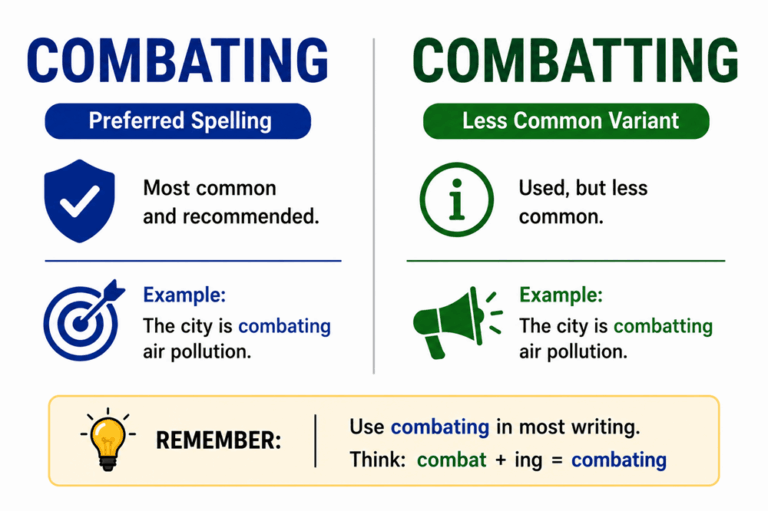
    Combatting or Combating: Correct Spelling, Usage, Grammar, Examples, and Memory Tips Explained

    ByJeremy Howard June 23, 2026

    Combating is the more common and usually preferred spelling. Combatting is also used, but it is less common. Both words mean fighting against, resisting, or working to reduce something harmful. For most everyday, academic, business, and article writing, combating is the safer choice. Quick Answer Use combating as the standard spelling in most writing. The…
    Read More Combatting or Combating: Correct Spelling, Usage, Grammar, Examples, and Memory Tips ExplainedContinue

  • Learnt or learned
    Confusing Words

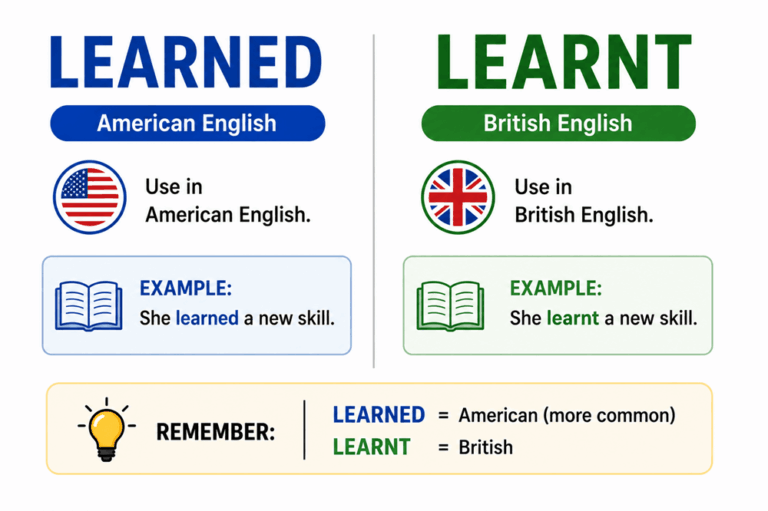
    Learnt or Learned: Difference, Correct Usage, Regional Spelling, and Memory Tips Explained

    ByJeremy Howard June 23, 2026

    Learned and learnt are both correct, but they are used differently depending on region and sentence style. Learned is the standard form in American English. Learnt is more common in British English. If you are writing for a U.S. audience, use learned. If you are writing in British English, learnt is also acceptable. Quick Answer…

    Read More Learnt or Learned: Difference, Correct Usage, Regional Spelling, and Memory Tips ExplainedContinue

  • Eaten or ate
    Confusing Words

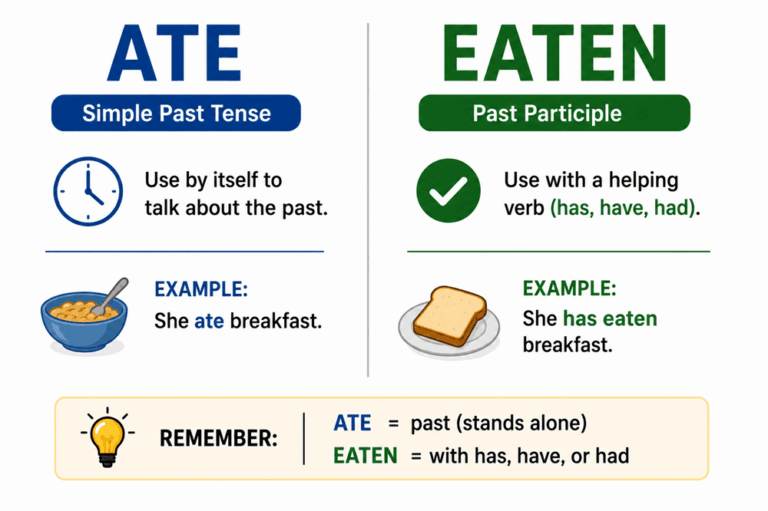
    Eaten or Ate: Difference, Correct Grammar, Verb Forms, Examples, and Memory Tips Explained

    ByJeremy Howard June 23, 2026

    Ate and eaten are both correct forms of the verb eat, but they are used in different grammar structures. Ate is the simple past tense. Eaten is the past participle and usually needs a helping verb such as has, have, or had. The easiest rule is: use ate by itself for the past, and use…

    Read More Eaten or Ate: Difference, Correct Grammar, Verb Forms, Examples, and Memory Tips ExplainedContinue

  • Chilli or chili
    Confusing Words

    Chilli or Chili: Difference, Correct Usage, Regional Spelling, and Memory Tips Explained

    ByJeremy Howard June 23, 2026

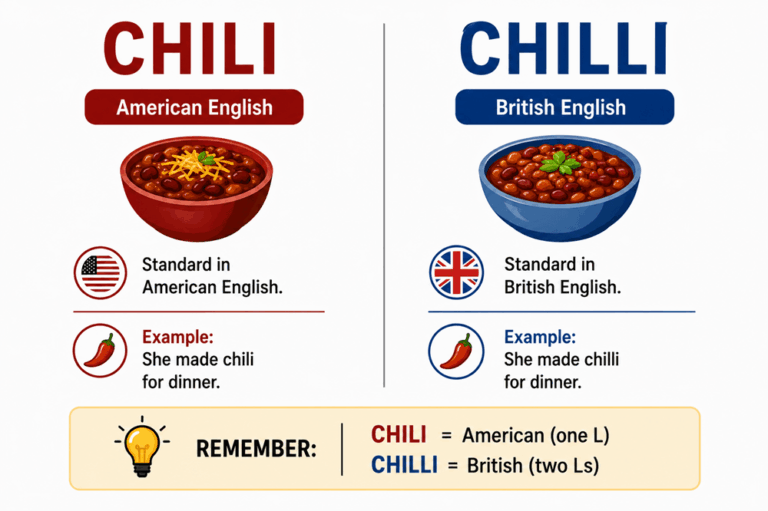
    Chili and chilli are both correct, but they are used in different English styles. Chili is the standard American English spelling, especially for the spicy dish and the pepper. Chilli is common in British English and other British-influenced varieties. The easiest rule is this: use chili for American English and chilli for British English. Quick…

    Read More Chilli or Chili: Difference, Correct Usage, Regional Spelling, and Memory Tips ExplainedContinue

  • Smelt or smelled
    Confusing Words

    Smelt or Smelled: Difference, Correct Usage, Grammar, Examples, and Memory Tips Explained

    ByJeremy Howard June 23, 2026

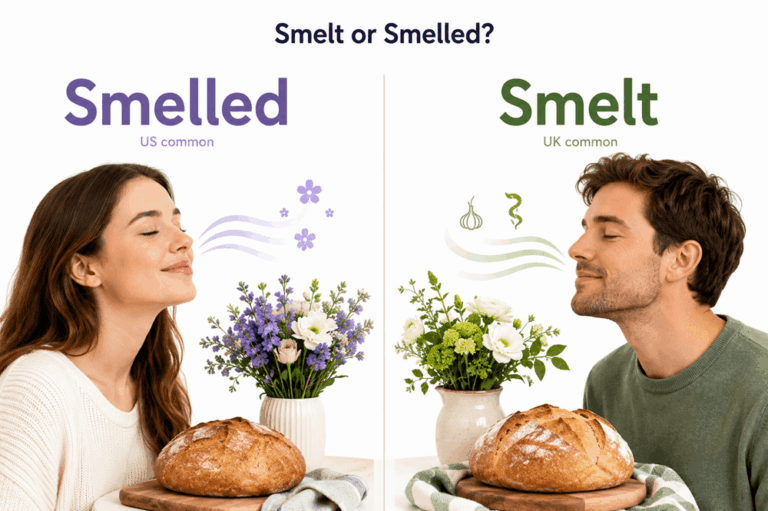
    Smelled and smelt can both be correct, but they are not always used the same way. Smelled is the standard past tense of smell in American English. Smelt is more common in British English as the past tense of smell. However, smelt can also mean a small fish or the process of heating ore to…

    Read More Smelt or Smelled: Difference, Correct Usage, Grammar, Examples, and Memory Tips ExplainedContinue

  • Therefor or therefore
    Confusing Words

    Therefor or Therefore: Difference, Correct Usage, Meaning, Examples, and Memory Tips Explained

    ByJeremy Howard June 22, 2026

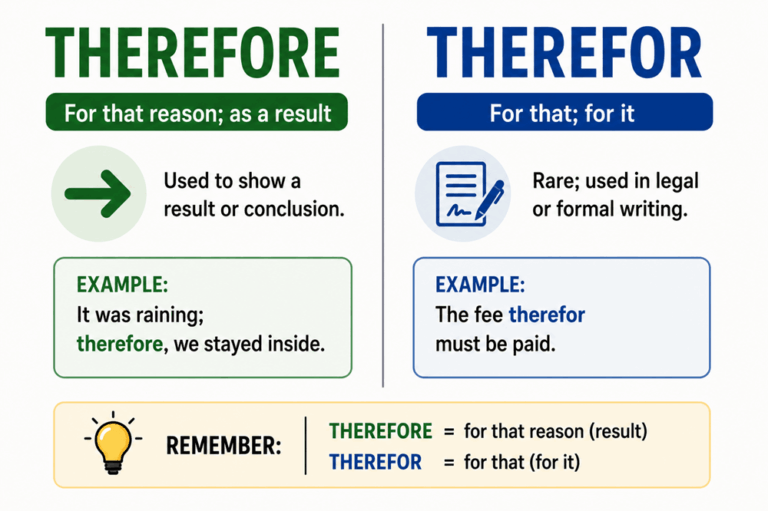
    Therefore is the word you usually need. It means for that reason or as a result. Therefor is a real word, but it is rare and mostly used in legal or formal writing to mean for that or for it. In everyday writing, therefor is often a misspelling of therefore. Quick Answer Use therefore when…

    Read More Therefor or Therefore: Difference, Correct Usage, Meaning, Examples, and Memory Tips ExplainedContinue

  • Axe or ax
    Confusing Words

    Axe or Ax: Difference, Correct Spelling, Regional Usage, and Memory Tips Explained

    ByJeremy Howard June 22, 2026

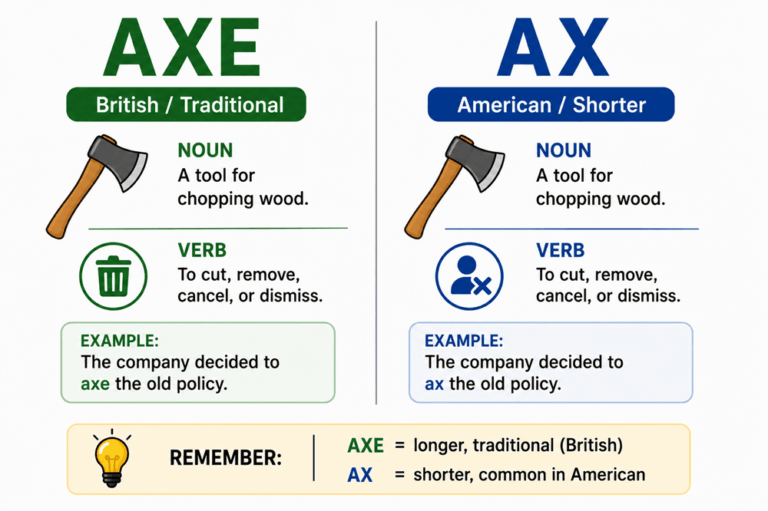
    Axe and ax are both correct spellings. They mean the same thing: a tool with a heavy blade used for chopping wood, or a verb meaning to cut, remove, cancel, or dismiss. The main difference is regional style. Axe is more common in British English, while ax is common in American English. Quick Answer Use…

    Read More Axe or Ax: Difference, Correct Spelling, Regional Usage, and Memory Tips ExplainedContinue

  • Eg or ie
    Confusing Words

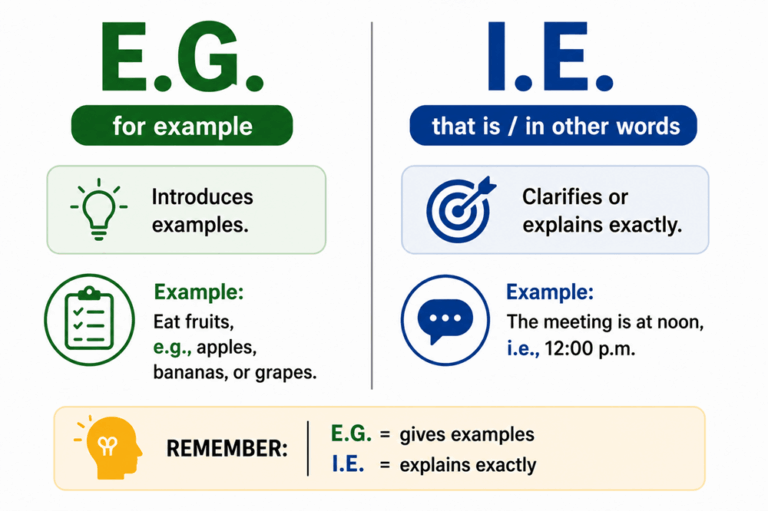
    E.g. or I.e.: Difference, Correct Usage, Examples, Punctuation, and Memory Tips Explained

    ByJeremy Howard June 22, 2026

    E.g. and i.e. are both Latin abbreviations, but they do not mean the same thing. E.g. means for example. Use it when you are giving one or more examples. I.e. means that is or in other words. Use it when you are clarifying, restating, or narrowing the meaning of something. Quick Answer Use e.g. when…

    Read More E.g. or I.e.: Difference, Correct Usage, Examples, Punctuation, and Memory Tips ExplainedContinue

  • Weiner or wiener
    Confusing Words

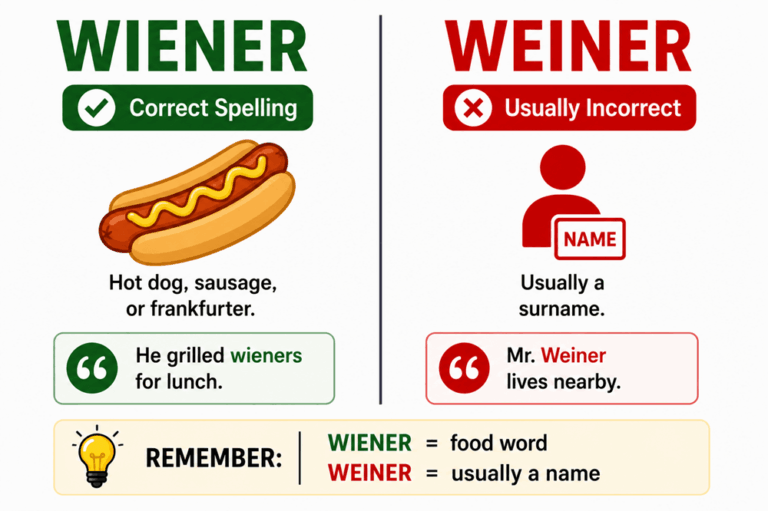
    Weiner or Wiener: Correct Spelling, Meaning, Usage, Examples, and Memory Tips Explained

    ByJeremy Howard June 22, 2026

    Wiener is the correct spelling when you mean a hot dog, frankfurter, sausage, or something related to Vienna. Weiner is usually a misspelling in that context, though it can be a real surname. The spelling is tricky because the word sounds like “wee-ner,” but the correct food word is spelled w-i-e-n-e-r. Quick Answer Use wiener…

    Read More Weiner or Wiener: Correct Spelling, Meaning, Usage, Examples, and Memory Tips ExplainedContinue

  • Through or thru
    Confusing Words

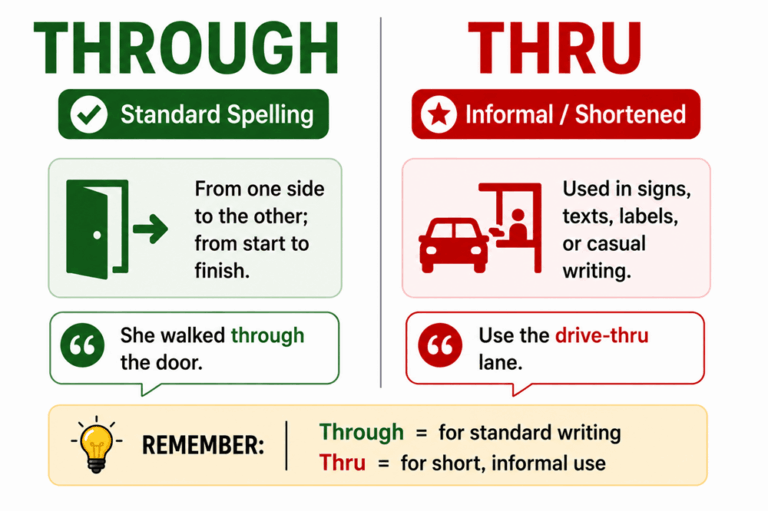
    Through or Thru: Difference, Correct Usage, Spelling, Examples, and Memory Tips Explained

    ByJeremy Howard June 22, 2026

    Through is the standard spelling. Thru is an informal shortened spelling. Use through in normal writing, schoolwork, business emails, articles, instructions, and formal content. Use thru only in casual notes, signs, branding, texting, or short labels like drive-thru. Quick Answer Use through in standard English. She walked through the door. We worked through the problem…

    Read More Through or Thru: Difference, Correct Usage, Spelling, Examples, and Memory Tips ExplainedContinue

Page navigation

Previous PagePrevious 1 … 22 23 24 25 26 … 44 Next PageNext
  • Disclaimer
  • Terms of Use
  • Privacy Policy

© 2026 Word Briefs

  • About
  • Contact
Search