Skip to content
Word Briefs
  • About
  • Contact
Word Briefs
  • Compliment or complement
    Confusing Words

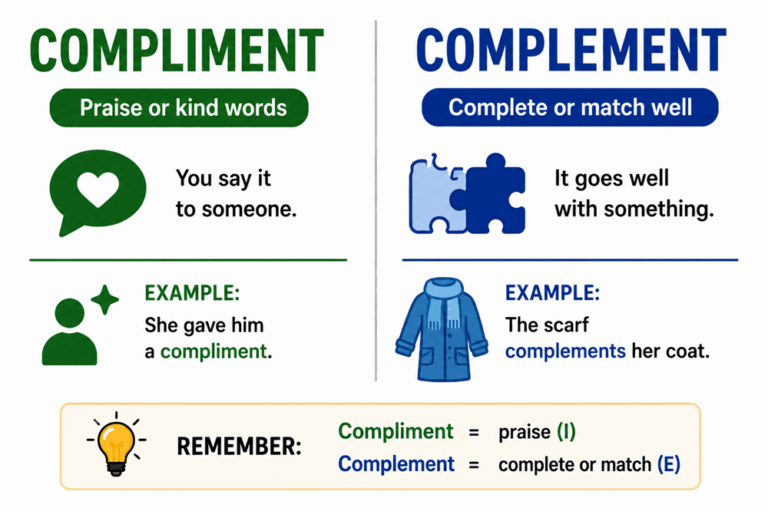
    Compliment or Complement: Difference, Correct Usage, Meanings, Examples, and Memory Tips Explained

    ByJeremy Howard June 23, 2026

    Compliment and complement are both correct words, but they mean different things. Compliment means praise or a polite expression of admiration. Complement means something that completes, improves, matches, or goes well with something else. The easiest rule is: a compliment is praise; a complement completes. Quick Answer Use compliment when talking about praise, kind words,…
    Read More Compliment or Complement: Difference, Correct Usage, Meanings, Examples, and Memory Tips ExplainedContinue

  • Principle or principal
    Confusing Words

    Principle or Principal: Difference, Correct Usage, Meanings, Examples, and Memory Tips Explained

    ByJeremy Howard June 23, 2026

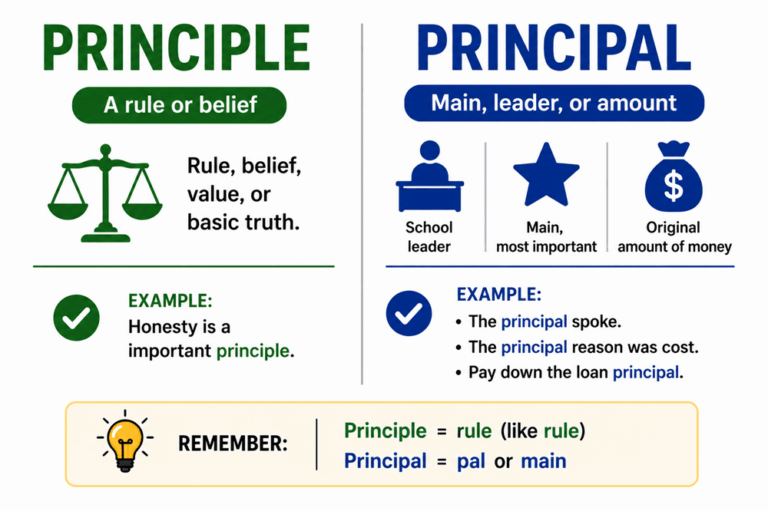
    Principle and principal are both correct words, but they mean different things. Principle means a rule, belief, truth, or moral standard. Principal usually means main, most important, a school leader, or an original amount of money. The easiest rule is: a principle is a rule; a principal is main or a person in charge. Quick…

    Read More Principle or Principal: Difference, Correct Usage, Meanings, Examples, and Memory Tips ExplainedContinue

  • Preventive or preventative
    Confusing Words

    Preventive or Preventative: Difference, Correct Usage, Examples, and Memory Tips Explained Clearly

    ByJeremy Howard June 23, 2026

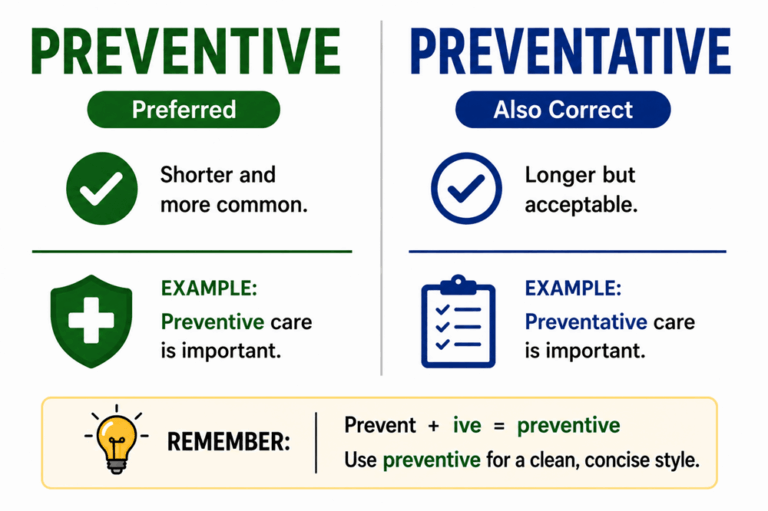
    Preventive and preventative are both correct words. They both describe something meant to stop a problem before it happens. The main difference is style. Preventive is shorter, more common, and often preferred in medical, official, and professional writing. Preventative is also accepted, but it can sound longer or less direct. Quick Answer Use preventive as…

    Read More Preventive or Preventative: Difference, Correct Usage, Examples, and Memory Tips Explained ClearlyContinue

  • Naive or nieve
    Spelling

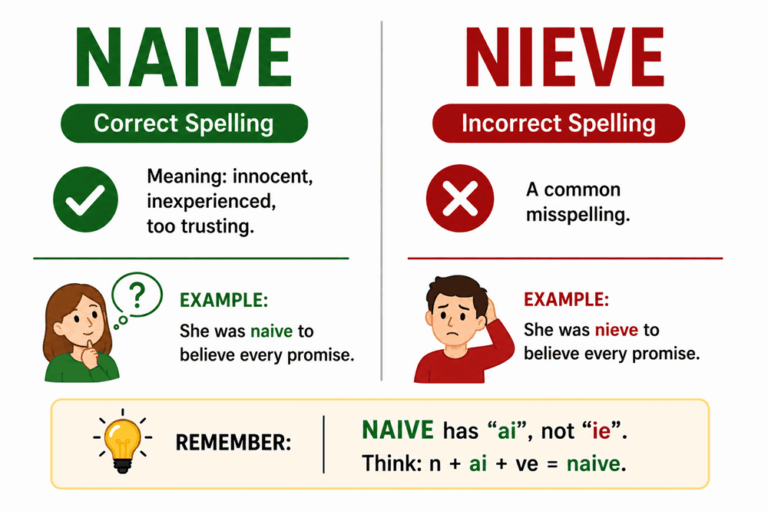
    Naive or Nieve: Correct Spelling, Meaning, Usage, Examples, and Memory Tips Explained

    ByJeremy Howard June 23, 2026

    Naive is the correct spelling. Nieve is usually a misspelling when you mean innocent, inexperienced, overly trusting, or lacking worldly judgment. The word can also be written as naïve with two dots over the i, but naive without the accent is common in modern English. The key rule is simple: use naive, not nieve. Quick…

    Read More Naive or Nieve: Correct Spelling, Meaning, Usage, Examples, and Memory Tips ExplainedContinue

  • Empathic or empathetic
    Confusing Words

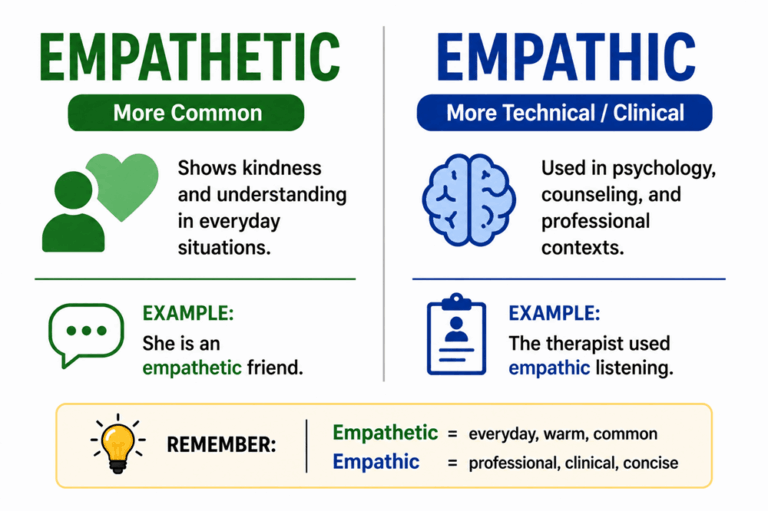
    Empathic or Empathetic: Difference, Correct Usage, Meaning, Examples, and Memory Tips Explained

    ByJeremy Howard June 23, 2026June 23, 2026

    Empathic and empathetic are both correct words. They both describe someone who understands or shares another person’s feelings. The difference is mostly style and common usage. Empathetic is more common in everyday English, while empathic is shorter and often appears in psychology, counseling, and more technical writing. Quick Answer Use empathetic for most everyday writing….

    Read More Empathic or Empathetic: Difference, Correct Usage, Meaning, Examples, and Memory Tips ExplainedContinue

  • Momento or memento
    Spelling

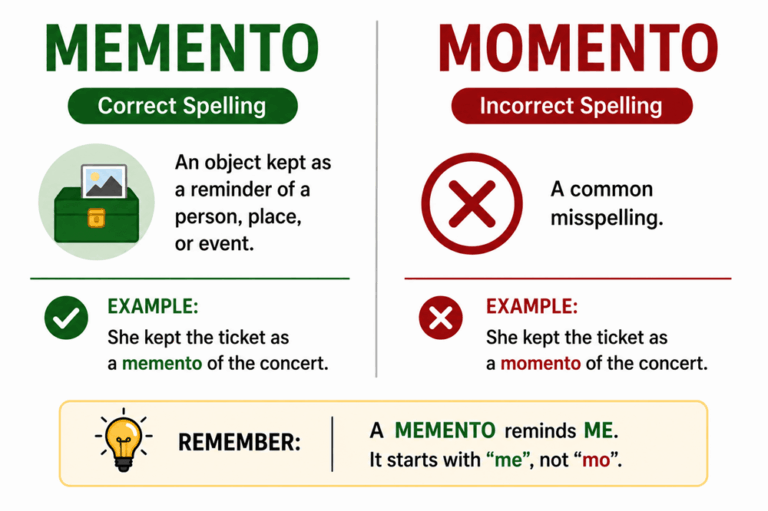
    Memento or Momento: Correct Spelling, Meaning, Usage, Examples, and Memory Tips Explained

    ByJeremy Howard June 23, 2026

    Memento is the correct spelling. Momento is a common misspelling. Use memento when you mean an object kept as a reminder of a person, place, event, trip, or meaningful experience. The spelling is tricky because the word sounds like it could begin with mo, but the correct first two syllables are me-men, not mo-men. Quick…

    Read More Memento or Momento: Correct Spelling, Meaning, Usage, Examples, and Memory Tips ExplainedContinue

  • Imbedded or embedded
    Confusing Words

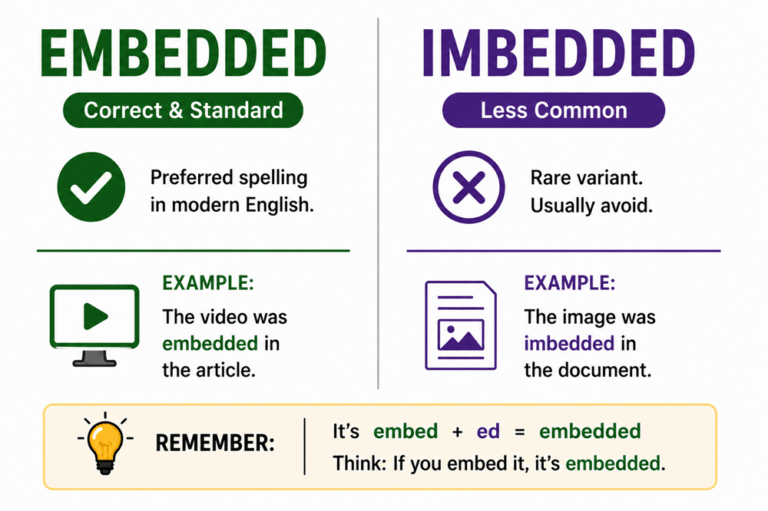
    Imbedded or Embedded: Correct Spelling, Meaning, Usage, Examples, and Memory Tips Explained

    ByJeremy Howard June 23, 2026

    Embedded is the preferred and standard spelling in modern English. Imbedded is an older, less common variant, but most readers and editors expect embedded. Use embedded when something is fixed deeply in something else, included within a system, placed inside a file, or strongly established in a person’s mind, culture, or routine. Quick Answer Use…

    Read More Imbedded or Embedded: Correct Spelling, Meaning, Usage, Examples, and Memory Tips ExplainedContinue

  • Hunny or honey
    Confusing Words

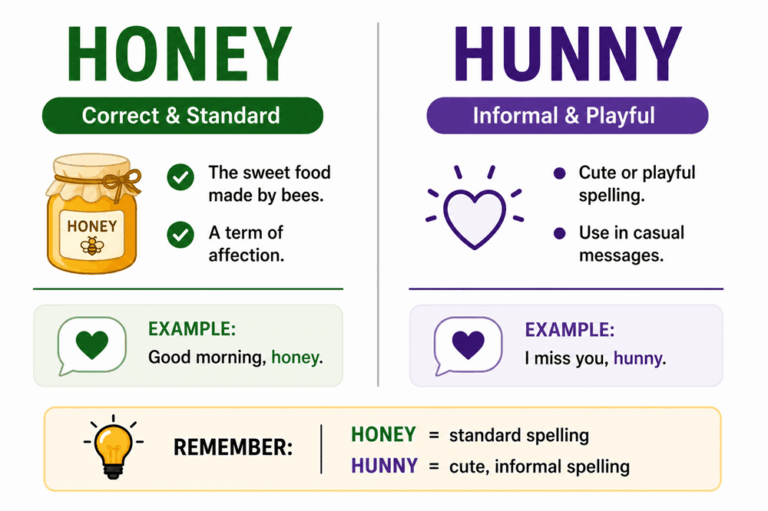
    Hunny or Honey: Correct Spelling, Meaning, Usage, Examples, and Memory Tips Explained

    ByJeremy Howard June 23, 2026

    Honey is the correct standard spelling. Hunny is an informal, playful, or affectionate spelling. Use honey when talking about the sweet food made by bees or when using the word as a term of affection. Use hunny only when you want a cute, childish, or stylized tone. Quick Answer Use honey in standard writing. Correct:…

    Read More Hunny or Honey: Correct Spelling, Meaning, Usage, Examples, and Memory Tips ExplainedContinue

  • Alum or alumni
    Confusing Words

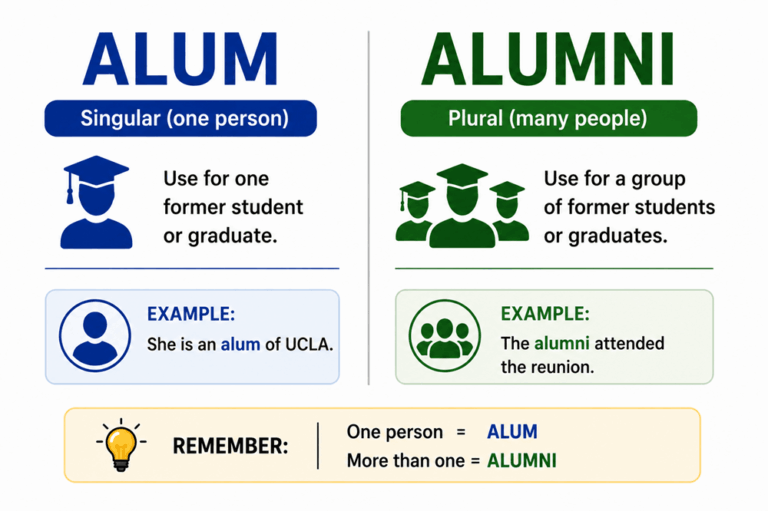
    Alum or Alumni: Difference, Correct Usage, Singular, Plural, and Memory Tips Explained

    ByJeremy Howard June 23, 2026

    Alum and alumni are both correct, but they are not used the same way. Alum is an informal singular word for one former student or graduate. Alumni is usually plural and means a group of former students or graduates. The simplest rule is: one person is an alum; many people are alumni. Quick Answer Use…

    Read More Alum or Alumni: Difference, Correct Usage, Singular, Plural, and Memory Tips ExplainedContinue

  • Especially or specially
    Confusing Words

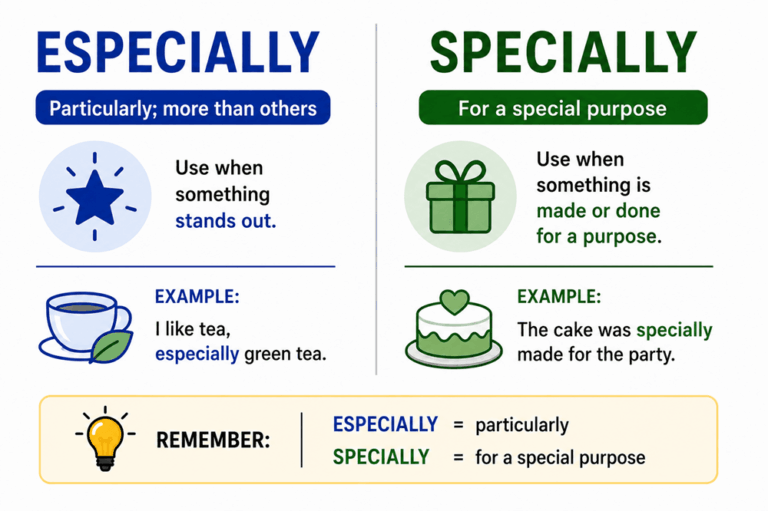
    Especially or Specially: Difference, Correct Usage, Examples, and Memory Tips Explained Clearly

    ByJeremy Howard June 23, 2026

    Especially and specially are both correct words, but they are not always interchangeable. Especially usually means particularly, more than others, or above all. Specially usually means for a special purpose or in a special way. The easiest rule is: especially points out importance; specially points out purpose. Quick Answer Use especially when you mean particularly…

    Read More Especially or Specially: Difference, Correct Usage, Examples, and Memory Tips Explained ClearlyContinue

Page navigation

Previous PagePrevious 1 … 21 22 23 24 25 … 44 Next PageNext
  • Disclaimer
  • Terms of Use
  • Privacy Policy

© 2026 Word Briefs

  • About
  • Contact
Search