Skip to content
Word Briefs
  • About
  • Contact
Word Briefs
  • Requester or requestor
    Confusing Words

    Requester or Requestor: Difference, Correct Usage, Meaning, Examples, and Memory Tips Explained

    ByJeremy Howard June 22, 2026

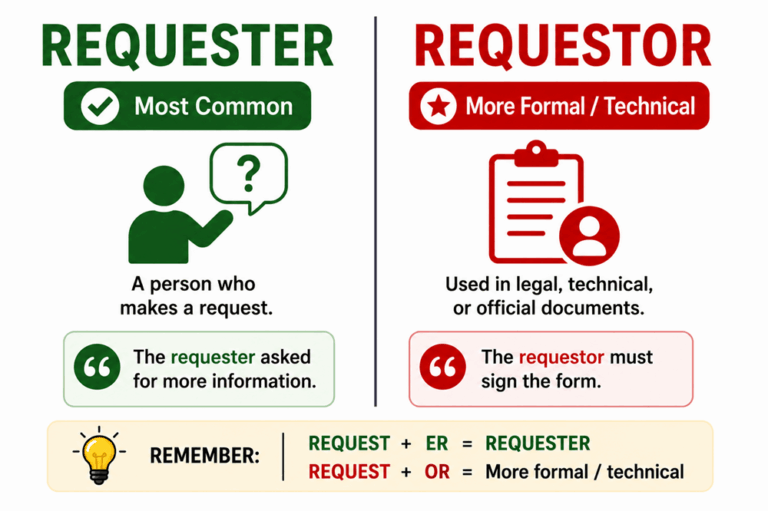
    Requester and requestor are both used for someone who makes a request, but requester is usually the better everyday choice. Requestor appears more often in legal, technical, business, or system-related contexts. If you are writing normally, use requester. If you are following a form, contract, software field, or official document that uses requestor, keep that…
    Read More Requester or Requestor: Difference, Correct Usage, Meaning, Examples, and Memory Tips ExplainedContinue

  • Truly or truely
    Spelling

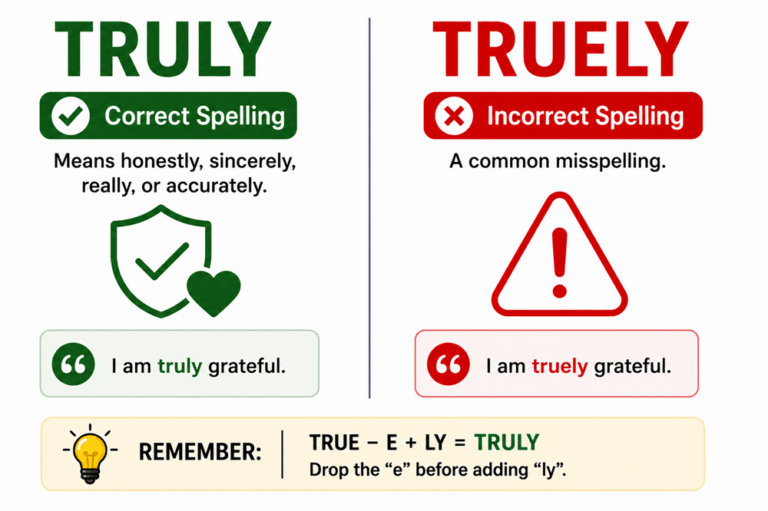
    Truly or Truely: Correct Spelling, Meaning, Usage, Examples, and Memory Tips Explained

    ByJeremy Howard June 22, 2026

    Truly is the correct spelling. Truely is a common misspelling. Use truly when you mean honestly, really, sincerely, accurately, or completely. The spelling is tricky because the base word is true, but when you add -ly, the final e disappears. Quick Answer Use truly, not truely. Correct: I am truly sorry. Correct: She truly cares…

    Read More Truly or Truely: Correct Spelling, Meaning, Usage, Examples, and Memory Tips ExplainedContinue

  • Verbiage or verbage
    Spelling

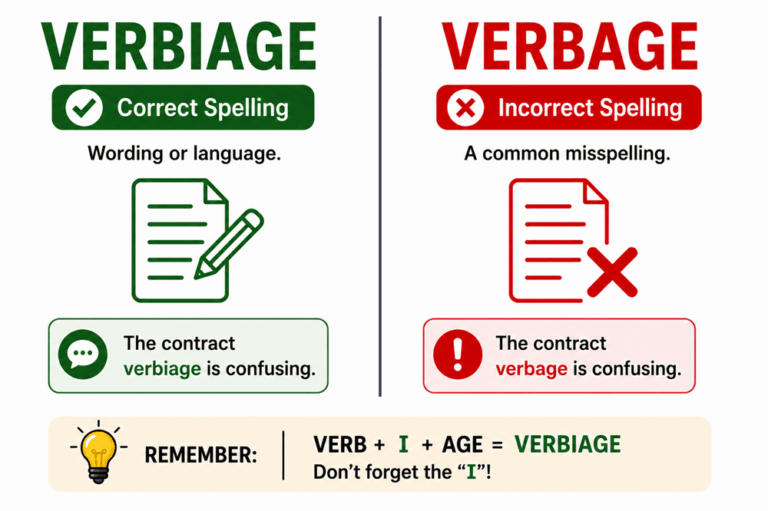
    Verbiage or Verbage: Correct Spelling, Meaning, Usage, Examples, and Memory Tips Explained

    ByJeremy Howard June 22, 2026

    Verbiage is the correct spelling. Verbage is a common misspelling. Use verbiage when you mean wording, phrasing, language, or an overly wordy way of saying something. The key spelling clue is simple: verbiage has “bi” in the middle, not just “ba.” Quick Answer Use verbiage, not verbage. Correct: The contract verbiage is confusing. Correct: Please…

    Read More Verbiage or Verbage: Correct Spelling, Meaning, Usage, Examples, and Memory Tips ExplainedContinue

  • Allie or ally
    Confusing Words

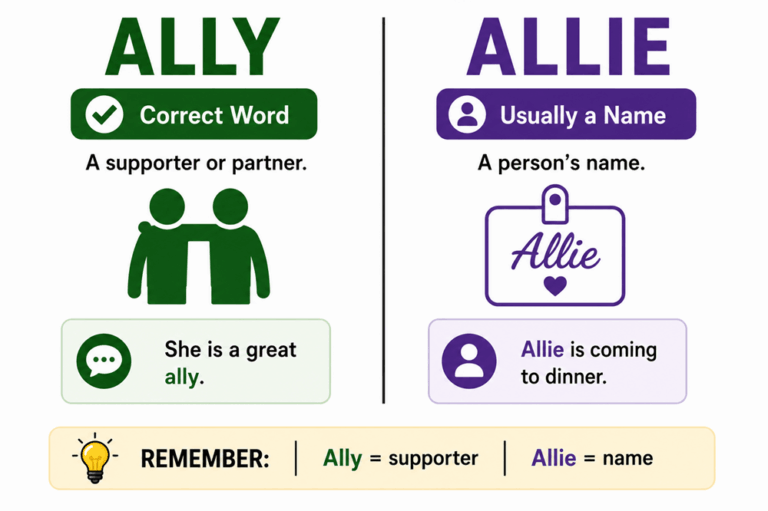
    Allie or Ally: Correct Meaning, Spelling, Usage, and Memory Tips Explained Clearly

    ByJeremy Howard June 22, 2026

    Ally is the correct word when you mean a supporter, helper, partner, or someone on your side. Allie is usually a person’s name or nickname, not the standard word for someone who supports you. If you are talking about friendship, teamwork, support, politics, war, or advocacy, use ally. Quick Answer Use ally when you mean…

    Read More Allie or Ally: Correct Meaning, Spelling, Usage, and Memory Tips Explained ClearlyContinue

  • Invision or envision
    Spelling

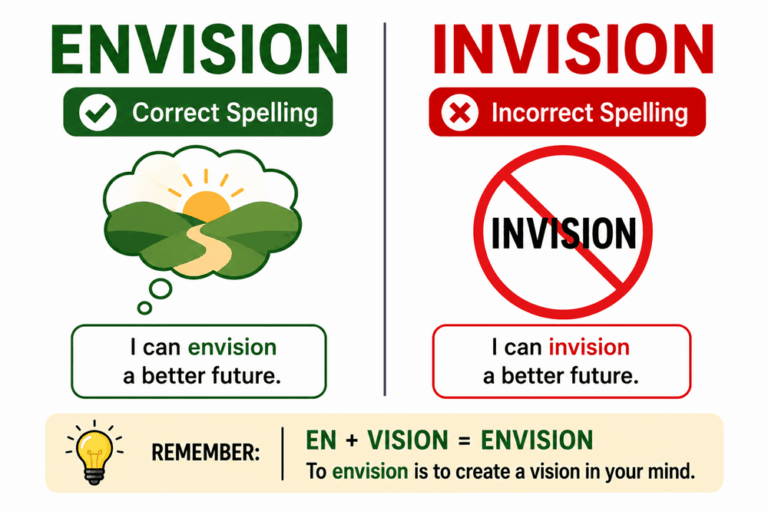
    Invision or Envision: Correct Spelling, Meaning, Usage, Examples, and Memory Tips Explained

    ByJeremy Howard June 22, 2026

    Envision is the correct standard word. Invision is usually a misspelling. Use envision when you mean to imagine, picture, foresee, or mentally create an idea of something before it happens. The key spelling clue is simple: envision begins with “en,” not “in.” Quick Answer Use envision, not invision, when you mean to imagine or picture…

    Read More Invision or Envision: Correct Spelling, Meaning, Usage, Examples, and Memory Tips ExplainedContinue

  • Baptised or baptized
    Confusing Words

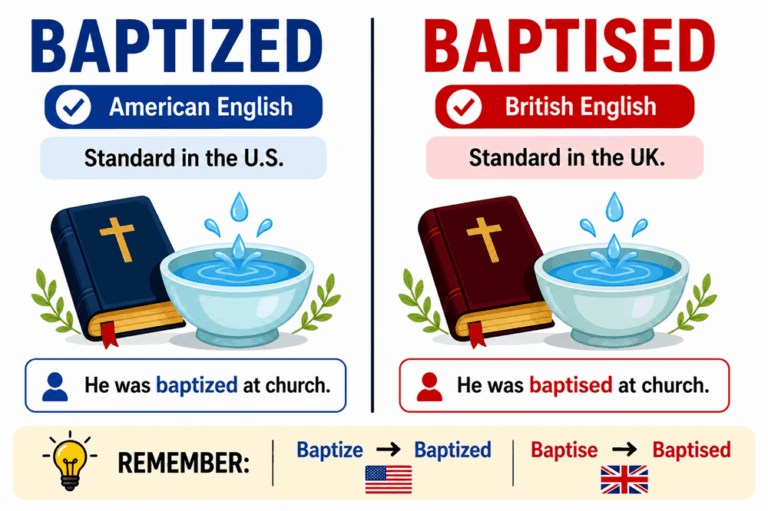
    Baptised or Baptized: Difference, Correct Usage, Regional Spelling, and Memory Tips Explained

    ByJeremy Howard June 22, 2026

    Baptized and baptised are both correct, but they belong to different spelling styles. Baptized is the standard American English spelling. Baptised is the standard British English spelling. Both mean that someone was formally baptized in a religious ceremony, usually with water. Quick Answer Use baptized in American English. She was baptized at the church last…

    Read More Baptised or Baptized: Difference, Correct Usage, Regional Spelling, and Memory Tips ExplainedContinue

  • Scarfs or scarves
    Spelling

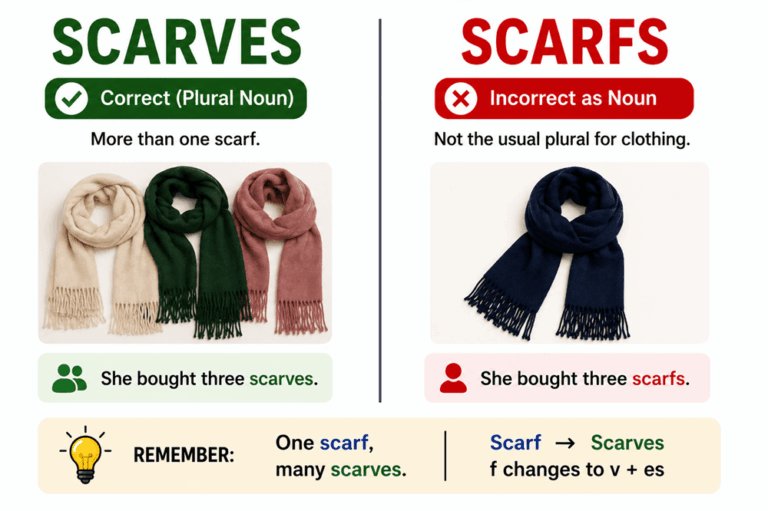
    Scarfs or Scarves: Correct Plural, Meaning, Spelling Rules, and Memory Tips Explained

    ByJeremy Howard June 22, 2026

    Scarves is the most common and preferred plural of scarf when you mean more than one piece of clothing worn around the neck. Scarfs can also be correct, but it is much less common as a noun plural. Most of the time, especially in polished writing, use scarves. Quick Answer Use scarves when talking about…

    Read More Scarfs or Scarves: Correct Plural, Meaning, Spelling Rules, and Memory Tips ExplainedContinue

  • Raven or crow
    Confusing Words

    Raven or Crow: Differences, Meanings, Identification Tips, Symbolism, and Memory Tricks Explained

    ByJeremy Howard June 22, 2026

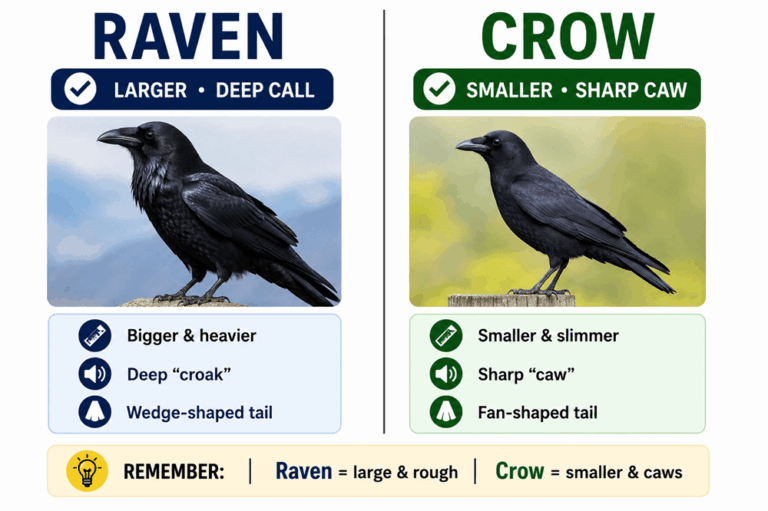
    Raven and crow are both correct words, but they do not name the exact same bird. Ravens and crows are closely related, and both are intelligent black birds in the corvid family. The easiest difference is size: ravens are usually larger, heavier, and deeper-voiced, while crows are usually smaller, slimmer, and known for their sharp…

    Read More Raven or Crow: Differences, Meanings, Identification Tips, Symbolism, and Memory Tricks ExplainedContinue

  • Neice or niece
    Spelling

    Neice or Niece: Correct Spelling, Meaning, Examples, and Memory Tips Explained Clearly

    ByJeremy Howard June 22, 2026

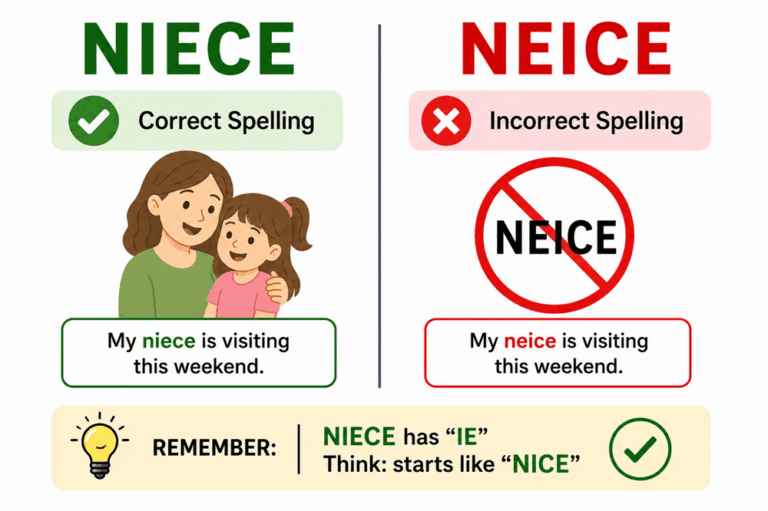
    Niece is the correct spelling. Neice is a common misspelling. Use niece when talking about the daughter of your brother, sister, brother-in-law, or sister-in-law. The spelling is tricky because the middle letters are ie, not ei. The key spelling clue is simple: niece starts with “ni,” like “nice.” Quick Answer Use niece, not neice. Correct:…

    Read More Neice or Niece: Correct Spelling, Meaning, Examples, and Memory Tips Explained ClearlyContinue

  • Recieved or received
    Spelling

    Recieved or Received: Correct Spelling, Meaning, Examples, and Memory Tips Explained Clearly

    ByJeremy Howard June 22, 2026

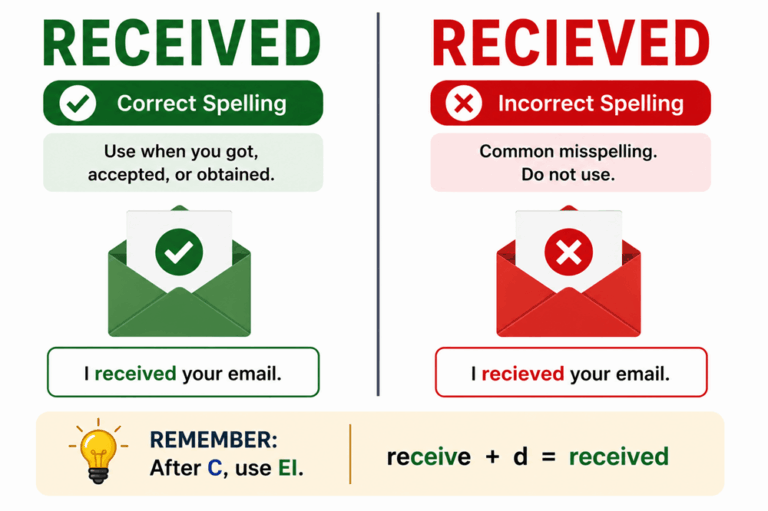
    Received is the correct spelling. Recieved is a common misspelling. Use received when you mean got, accepted, obtained, heard, or were given something. The spelling is tricky because the middle letters are ei, not ie. The key clue is the c: after c, the spelling is usually ei. Quick Answer Use received, not recieved. Correct:…

    Read More Recieved or Received: Correct Spelling, Meaning, Examples, and Memory Tips Explained ClearlyContinue

Page navigation

Previous PagePrevious 1 … 23 24 25 26 27 … 44 Next PageNext
  • Disclaimer
  • Terms of Use
  • Privacy Policy

© 2026 Word Briefs

  • About
  • Contact
Search